Few two-wheeled machines capture the rebellious spirit of motorcycling quite like the bobber motorcycle. Stripped down to its absolute essentials, this iconic style represents a philosophy of weight reduction, mechanical purity, and undeniable aesthetic cool. Born out of post-World War II American garage culture, the bobber has evolved from a dirt-track racer's trick into a global custom phenomenon embraced by both independent builders and major manufacturers alike.
The Origins and Evolution of the Bobber
The bobber motorcycle traces its roots back to the 1920s and 1930s, but it truly exploded in popularity after World War II. Returning servicemen, accustomed to lightweight, agile European motorcycles, found heavy stock American cruisers sluggish and overly complicated. To improve performance, riders began 'bobbing' their bikes—cutting down the rear fender, discarding anything deemed non-essential, and removing the front fender altogether to shed precious pounds. This pursuit of a minimalist silhouette not only enhanced speed and handling on the street and dirt tracks but inadvertently birthed one of the most visually striking design languages in automotive history.
Defining Characteristics: Less is Definitely More
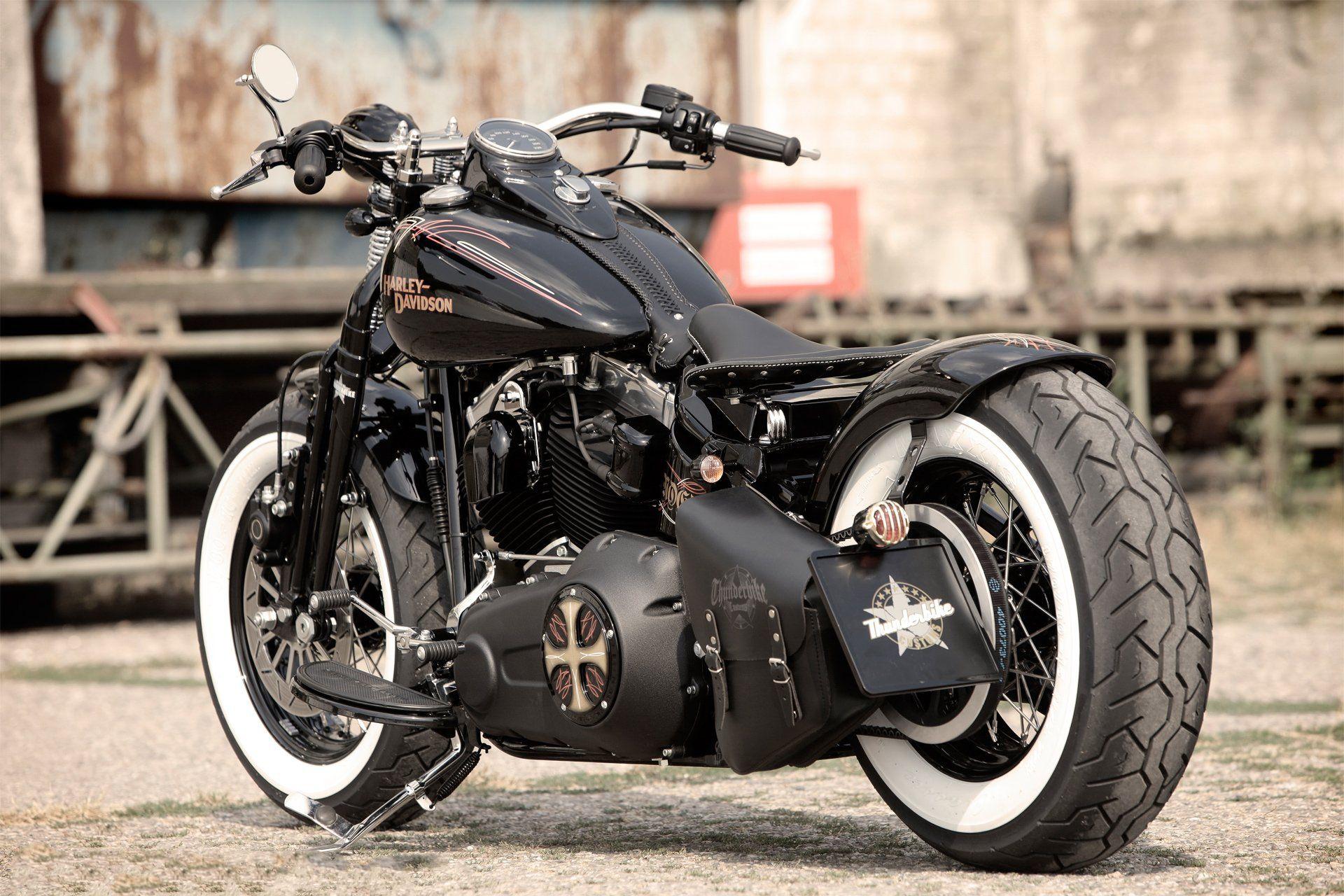
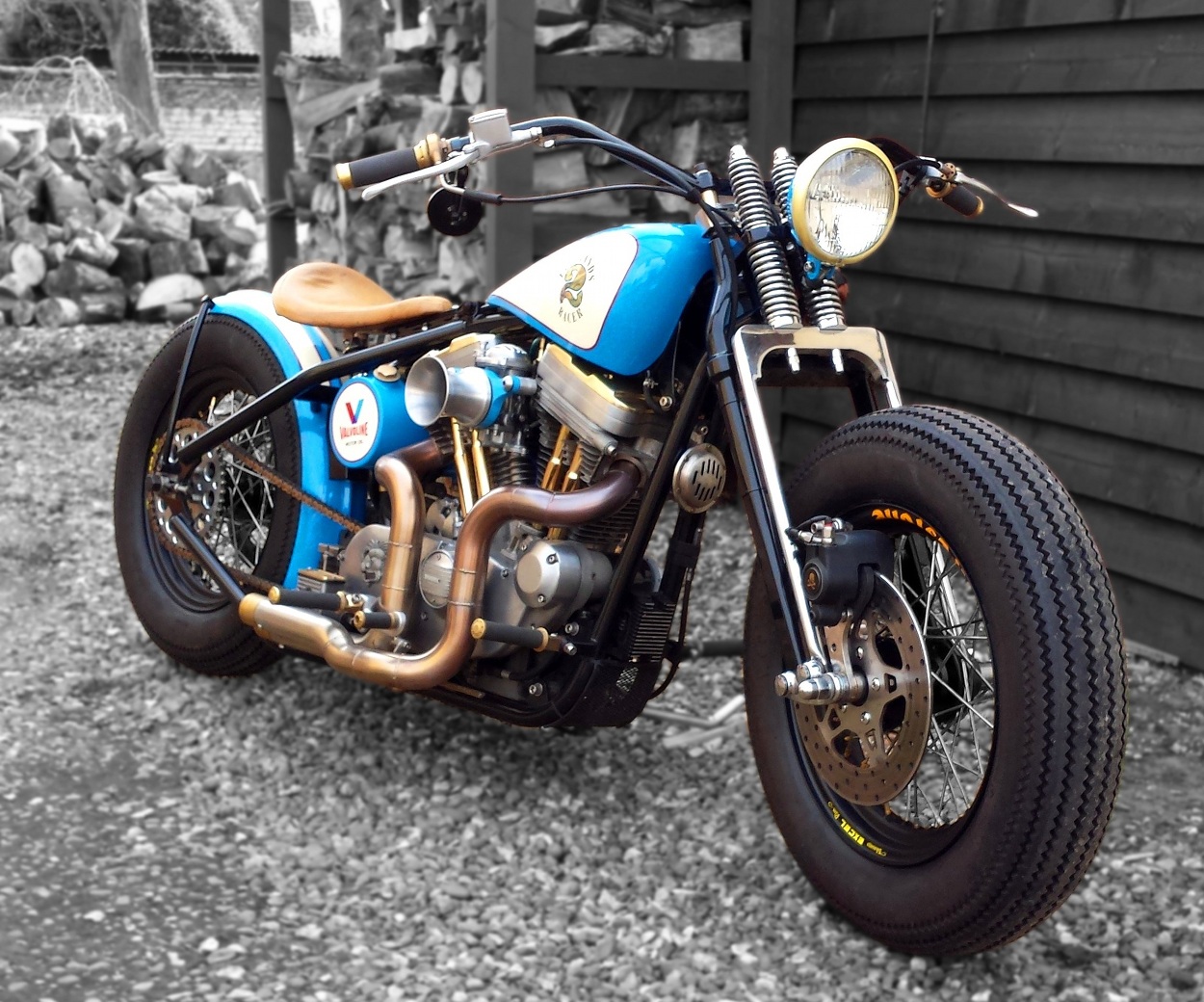
At first glance, a bobber motorcycle is instantly recognizable by its stripped-down anatomy. The formula revolves around a rigid frame or a hardtail-look rear suspension, a solo spring saddle seat, mini ape-hangers or drag handlebars, and fat tires wrapped around wire-spoked wheels. Unlike fully-faired sportbikes or tourers weighed down with luggage compartments, bobbers celebrate exposed machinery. Every wire, bolt, and weld is part of the visual narrative, making meticulous metalwork and clean engine bays vital for any standout custom build.

Modern Factory Bobbers vs. Custom Garage Builds
While the traditional bobber motorcycle was strictly a DIY garage affair built using vintage donor bikes like Harley-Davidson Knuckleheads or Triumph twin-cylinder engines, today's market offers incredible factory-made options. Manufacturers like Triumph with their Bonneville Bobber, Indian with the Scout Bobber, and Harley-Davidson with various custom models have bridged the gap. These modern machines offer classic hardtail aesthetics paired with reliable electronic fuel injection, ABS, and liquid-cooled performance, allowing riders to enjoy vintage styling without sacrificing contemporary reliability.
Capturing the Aesthetic: Wallpapers and Custom Culture
The striking silhouette of a bobber motorcycle has made it a favorite subject for automotive photographers and digital artists. High-definition wallpapers capturing these mechanical beasts against urban skylines or desolate desert highways remain immensely popular among enthusiasts. Beyond static imagery, the culture thrives on custom bike shows, weekend rides, and a tight-knit community that values individual expression above all else. Whether you own a meticulously built custom or simply admire the low-slung stance from your desktop screen, the bobber remains a timeless symbol of open-road freedom.

Frequently Asked Questions
A bobber retains the original frame geometry and stock front end of the motorcycle, focusing primarily on stripping away excess weight (like fenders). A chopper, on the other hand, involves heavily modifying the frame, raking out the front forks to make them significantly longer, and often adding custom extended handlebars.
While traditional hardtail bobbers can be rough on the spine due to the lack of rear suspension, modern factory bobbers (such as the Triumph Bonneville Bobber) often feature cleverly concealed monoshock suspensions under the solo seat. This gives them the hardtail look while offering vastly improved comfort for longer journeys.
Classic choices for custom bobber builds include vintage Harley-Davidson V-twins (Evolution, Shovelhead, Panhead), British parallel-twins like Triumph and BSA, and modern metrics such as the Yamaha Bolt or Honda Shadow, which offer great reliability and affordability for customizers.