
The cafe racer motorcycle is far more than just a two-wheeled vehicle; it represents a rebellious counterculture, a minimalist design philosophy, and an undying passion for speed. Born in the post-war United Kingdom, these stripped-down, lightweight machines were built by speed-hungry youths looking to race from one cafe to another. Today, the cafe racer aesthetic has evolved into a global phenomenon, captivating modern riders who crave raw mechanical connection, vintage aesthetics, and bespoke customization.
The Origins of the Cafe Racer Phenomenon
In the late 1950s and early 1960s, British rocker subculture collided with the burgeoning highway system to create a brand-new riding style. Young motorcyclists gathered at roadside cafes, such as the famous Ace Cafe in London, listening to high-energy rock and roll. The ultimate test of machine and rider was the 'record race'—putting a coin in the jukebox, speeding to a designated point and back, and trying to return before the song finished playing. To achieve the speeds necessary for these impromptu street races, riders modified their production motorcycles, stripping away anything unnecessary to reduce weight and maximize agility.

Anatomy of a Custom Cafe Racer
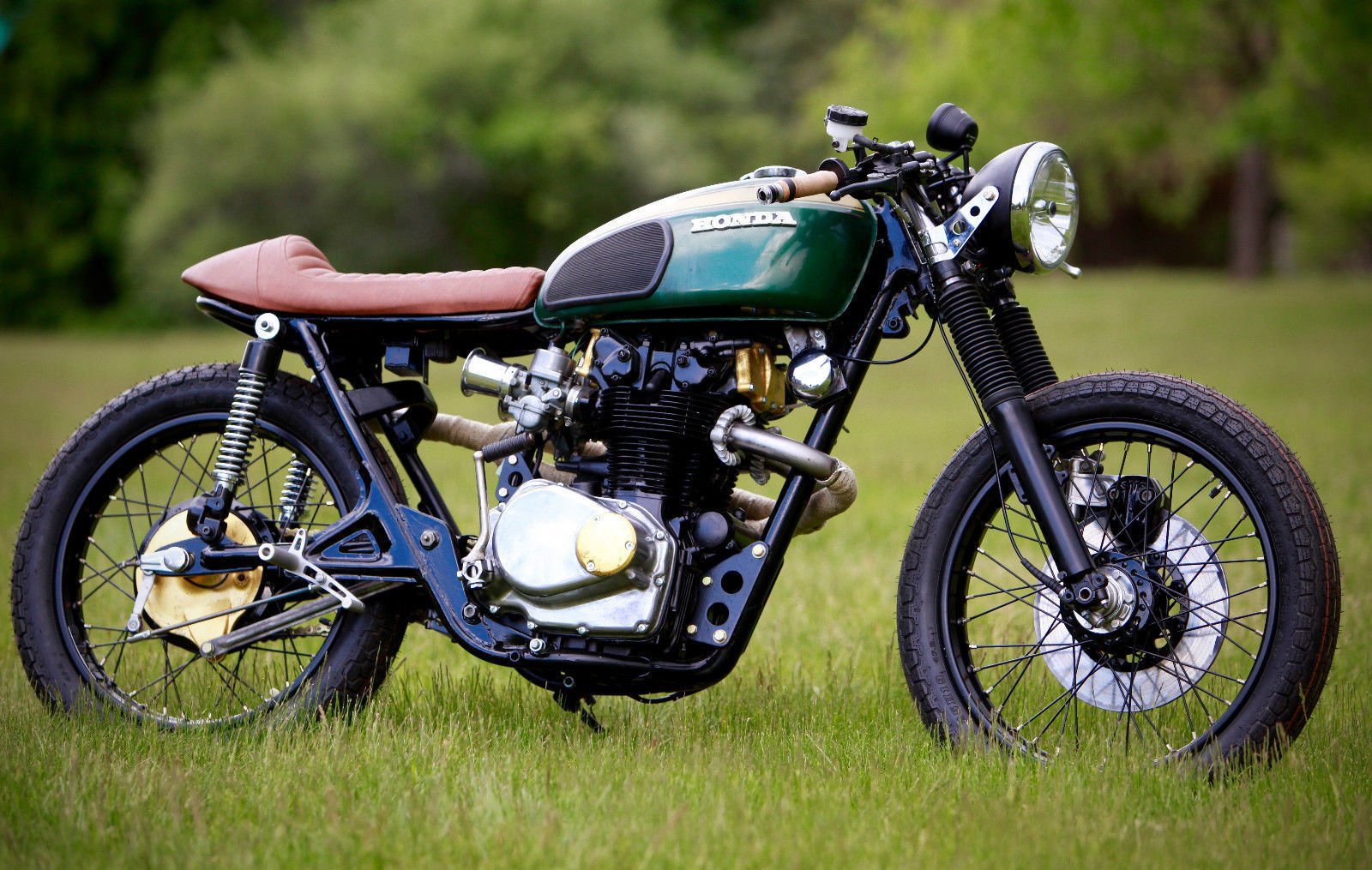
Defining a classic cafe racer motorcycle comes down to a strict set of design principles rooted in functionality and speed. The quintessential build features low-slung clip-on handlebars or clubman bars, forcing the rider into an aggressive, tucked-in aerodynamic posture. Rear-set footpegs reposition the rider's feet further back for better cornering clearance. Other hallmarks include a lightweight, elongated fuel tank, a solo hump-backed seat, and megaphone exhaust pipes that produce a thunderous, unmistakable roar. Modern builders often take vintage platforms like Honda CBs, Yamaha XS units, or BMW airheads and transform them into rolling pieces of art.
Performance and Handling on Modern Reinterpretations
While early cafe racers were cobbled together in backyard sheds using parts from various British manufacturers, modern interpretations blend vintage charm with cutting-edge engineering. Today, major manufacturers like Triumph, Ducati, and Royal Enfield offer factory-built cafe racers equipped with fuel injection, advanced ABS braking systems, and inverted front forks. However, the core riding experience remains unchanged: visceral, direct, and deeply engaging. Without the heavy bodywork and electronics of modern sportbikes, a well-tuned cafe racer motorcycle offers telepathic steering and an unfiltered connection to the asphalt.

Frequently Asked Questions
A cafe racer is a lightweight, high-performance motorcycle optimized for speed and handling rather than comfort, characterized by low handlebars, a solo seat, and stripped-down bodywork.
Generally, no. The aggressive, forward-leaning riding position places weight on the wrists and lower back, making them better suited for short, spirited rides rather than long-distance touring.
Popular donor bikes include older Japanese standards like the Honda CB series, Yamaha XS650, Suzuki GS models, as well as vintage BMW airheads and Triumph twins due to their reliable engines and simple frames.


