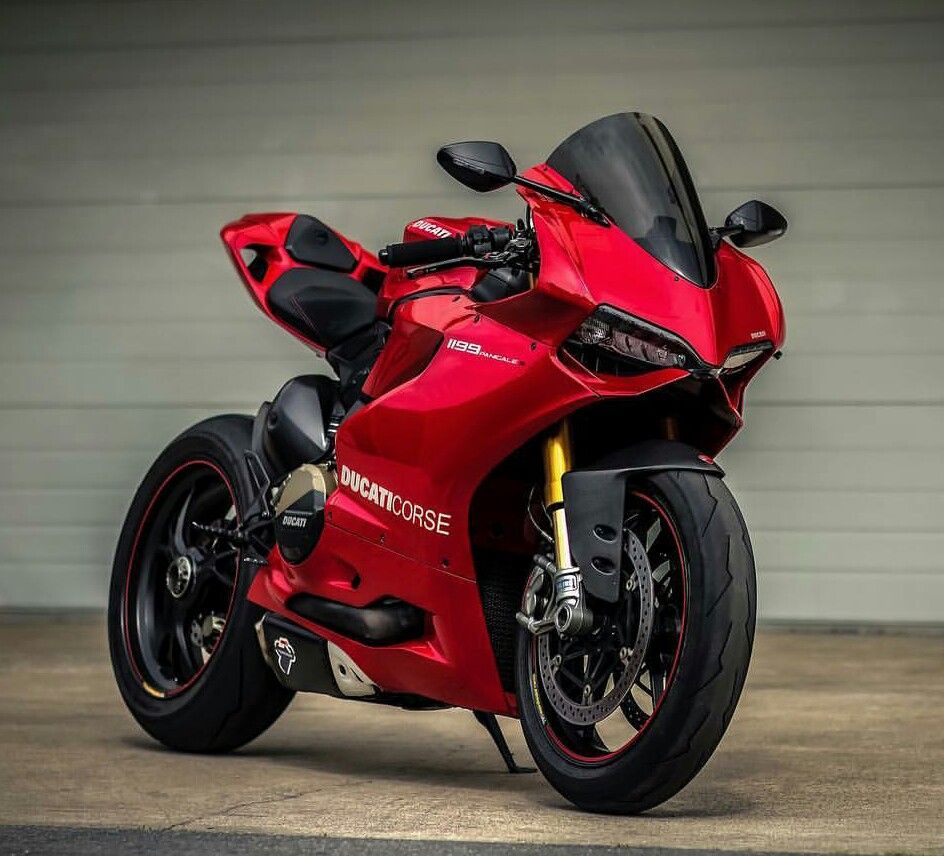
Few motorcycles in modern history have had the cultural and mechanical impact of the ducati monster motorcycle. When it first burst onto the scene in the early 1990s, it defied conventional categorization. It wasn't a fully-faired superbike, nor was it a traditional cruiser; it was something entirely raw, stripped-down, and aggressively beautiful. By taking the high-performance engine of a superbike and wrapping it in a minimalist trellis frame, Ducati accidentally birthed an entire genre: the modern naked bike. Today, the Monster remains a benchmark of style, attitude, and accessible Italian performance.
The Birth of an Icon: How the Monster Saved Ducati
In the early 1990s, Ducati was searching for a way to maximize existing parts inventory without investing heavily in brand-new tooling. Enter designer Miguel Galluzzi, who envisioned a machine stripped down to its bare essentials. The concept was brilliantly simple: 'All you need is a saddle, engine, handlebars, two wheels, and a tank.' The resulting ducati monster motorcycle combined the formidable performance of the Ducati SuperSport with an aggressive, muscular stance that instantly captured the imagination of riders worldwide. It became a commercial phenomenon, effectively keeping Ducati financially stable during a critical transition period and cementing its reputation for daring design.

Design Philosophy: Minimalism Meets Mechanical Art
What sets the ducati monster motorcycle apart is its unwavering commitment to exposed mechanical beauty. Without plastic fairings hiding the inner workings, every weld on the iconic steel trellis frame, every cooling fin, and every bolt becomes a design statement. Over the decades, the design has evolved from its voluptuous, curvaceous roots to sharper, more angular modern lines. Yet, the core silhouette remains instantly recognizable. The massive sculpted fuel tank, the aggressive headlight profile, and the short, stubby tail section continue to define what a true naked streetfighter should look like.

Performance and Handling: Engineered for the Streets
Beneath its striking exterior lies a serious performance machine. Historically powered by Ducati's legendary L-twin (and more recently, Testastretta engines), the ducati monster motorcycle delivers an intoxicating rush of low-end torque and mid-range punch. It is engineered specifically for real-world riding conditions—twisty mountain passes, urban environments, and spirited weekend blasts. Coupled with lightweight chassis dynamics, premium suspension components from brands like Ohlins and Kayaba, and cutting-edge electronics packages, the Monster offers razor-sharp handling that rewards active, engaged riding.

Customization Culture and High-Resolution Wallpapers
Part of the enduring magic of the ducati monster motorcycle is its status as a blank canvas for customization. From custom exhaust systems and bar-end mirrors to completely custom paint jobs, owners have always loved making their Monsters uniquely their own. This striking aesthetic also makes the bike a favorite subject for automotive photographers and digital artists. High-resolution wallpapers capturing the aggressive angles and rich red hues of the Monster adorn the computer and phone screens of motorcycle enthusiasts across the globe, serving as daily inspiration for the open road.

Frequently Asked Questions
The Monster is widely credited with inventing the 'naked bike' category, combining high-performance superbike engines with a stripped-down, minimalist aesthetic and exposed trellis frame.
While older, high-displacement Monsters can be intimidating for novice riders, modern lineups include smaller displacement variants (like the Monster 797 or newer Monster 937 variants with rider aids) that are much more approachable while retaining the iconic character.
Traditionally, the Ducati Monster relies on Ducati's signature L-twin (desmodromic) engine configuration, known for its distinct exhaust note and heavy low-end torque delivery.