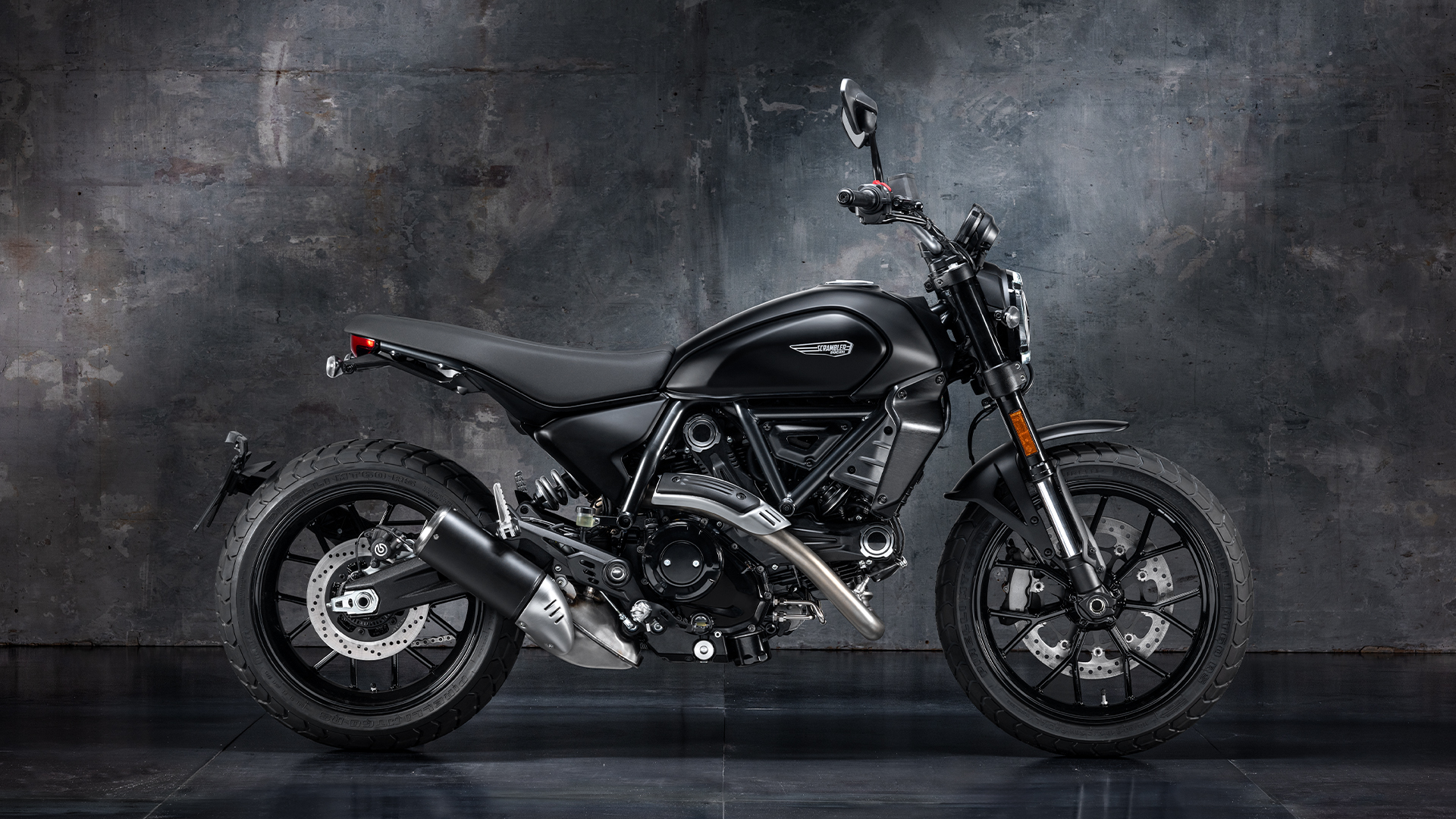
When Ducati introduced the SportClassic lineup in the mid-2000s, they struck a chord with motorcycle enthusiasts who yearned for the raw, unadulterated aesthetic of 1970s endurance racers paired with modern engineering. Among these, the ducati sport 1000 biposto stands out as a unique bridge between nostalgic styling and everyday rideability. Unlike its single-seat sibling, the Biposto (meaning 'two seats' in Italian) invited a passenger along for the ride without sacrificing an ounce of its aggressive, timeless stance.
Design Heritage and Aesthetic Appeal
The visual appeal of the ducati sport 1000 biposto is rooted deeply in Ducati's glorious racing heritage, specifically drawing inspiration from the legendary 750 Sport of 1972. Every line, from the sculpted fuel tank with its recessed knee grips to the classic round headlight and dual rear shock absorbers, screams retro-cool. The chrome accents, wire-spoke wheels, and signature trellis frame create a mechanical work of art. While the mono-post (monoposto) version offers a cleaner, more dedicated racing silhouette, the biposto adds a subframe and dual seat configuration that softens the hardcore aesthetic just enough to make it approachable for street riders wanting to share the experience.

Engine Performance and Desmodromic Power
Beneath the gorgeous retro bodywork lies a beating heart that is unmistakably Ducati: the 992cc Desmodromic L-twin engine, affectionately known as the DS1000. This air- and oil-cooled powerplant pushes out roughly 92 horsepower and a healthy wave of torque, delivering brisk acceleration right where you need it in the mid-range. Paired with a dry clutch that sings its mechanical symphony at every stoplight, the ride is visceral and unfiltered. There are no advanced traction control systems or ride-by-wire modes here; it is just pure, mechanical connection between rider, throttle, and rear tire.

Handling, Suspension, and Chassis Dynamics
Riding the ducati sport 1000 biposto is an engaging physical experience. The riding position is decidedly aggressive, putting significant weight on your wrists thanks to the low-slung clip-on handlebars mounted beneath the top triple clamp. Suspension duties are handled by fully adjustable upside-down forks at the front and a twin-shock setup by Sachs at the rear. While the ride is firm and tuned for spirited carving on winding backroads, the chassis rewards decisive steering inputs with incredible stability and line-holding confidence. Braking is handled by Brembo calipers biting onto twin discs, offering sharp and progressive stopping power.

Collector Status and Modern Legacy
Though it was somewhat misunderstood and under-appreciated during its relatively short production run in the mid-to-late 2000s, the ducati sport 1000 biposto has achieved cult status today. As modern motorcycling leans increasingly toward digital screens and rider-aid safety nets, enthusiasts are actively hunting down analog masterpieces like the SportClassic series. Values on the used market have steadily climbed, transforming what was once a niche retro standard into a bonafide collector's item. Owning one today is not just about having a motorcycle; it is about preserving a golden chapter of Italian design.

Frequently Asked Questions
The primary difference lies in the seating configuration. The Monoposto features a single-seat setup with a classic café racer tail cowl and an asymmetrical exhaust system. The Biposto features a subframe and dual seat to accommodate a passenger, along with a symmetrical dual-exhaust layout.
It is powered by a 992cc air- and oil-cooled, fuel-injected Desmodromic L-twin engine (DS1000), producing approximately 92 horsepower and strong low-to-midrange torque.
Yes. Due to its limited production run, stunning retro aesthetics, and the rising popularity of modern classic motorcycles, the Sport 1000 Biposto has become highly sought after by collectors and enthusiasts alike.