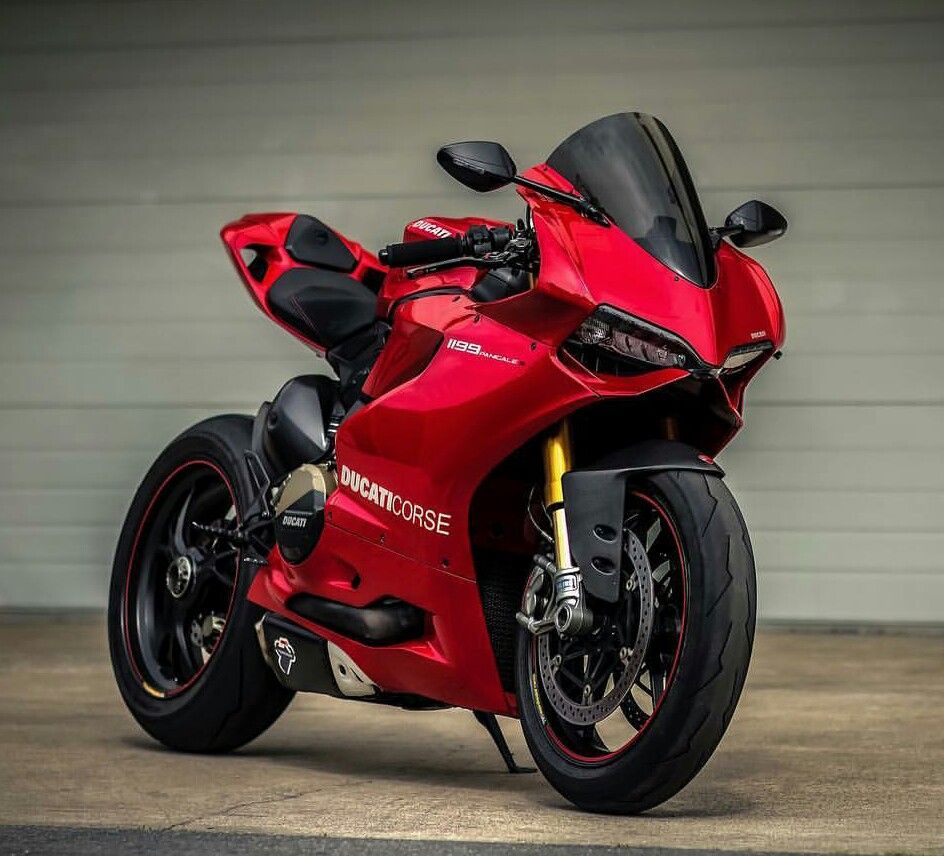
For decades, the relentless pursuit of speed has driven motorcycle manufacturers to push the absolute boundaries of engineering, physics, and human bravery. The quest to build the fastest motorcycle is not merely about breaking numeric barriers on a speedometer; it is a masterclass in aerodynamics, lightweight metallurgy, and forced-induction power. From factory-tuned track weapons to custom-built salt-flat monsters, these two-wheeled rockets offer an adrenaline rush unlike anything else on Earth, capturing the imagination of speed enthusiasts and wallpaper collectors alike.
The Pinnacle of Factory Speed: Kawasaki Ninja H2R
When discussing the undisputed heavyweight champion of raw acceleration and top speed, the Kawasaki Ninja H2R stands alone. Powered by a supercharged 998cc inline-four engine, this track-only masterpiece churns out an astonishing 310 horsepower. Its aggressive carbon-fiber aerodynamic wings are meticulously designed to generate downforce at extreme velocities, ensuring the front wheel stays planted on the asphalt. While not street-legal, the H2R represents the absolute zenith of modern motorcycle manufacturing and remains the benchmark for anyone hunting absolute velocity.

Engineering Extremes: The Dodge Tomahawk Concept
No conversation about extreme motorcycle engineering is complete without mentioning the ultra-rare Dodge Tomahawk. Packing an 8.3-liter Viper V10 engine into a bespoke four-wheel independent suspension frame, this concept vehicle defied conventional categorization. Claiming a theoretical top speed of over 300 mph, the Tomahawk pushed the psychological and mechanical limits of what a rider could conceivably straddle. Though largely a design and engineering exercise rather than a production track bike, it remains an iconic symbol of untamed horsepower.

Aerodynamics and Lightweight Tech: The Italian Contenders
Straight-line speed is only half the battle; true mastery involves carving through the air with surgical precision. Italian masterpieces like the Ducati Superleggera V4 showcase how carbon fiber frames, dry clutches, and MotoGP-derived electronics create a symphony of speed and agility. These bikes prove that the fastest motorcycle isn't just about massive engine displacement—it is about power-to-weight ratios, cornering stability, and cutting through the wind with minimal resistance.

The Thrill of High-Resolution Speed: Motorcycle Wallpapers
For enthusiasts who live and breathe high-performance machines, capturing the essence of the world's fastest motorcycle in stunning visual detail is a passion in itself. High-definition wallpapers of superbikes screaming down the straightaway or leaning aggressively into a hairpin turn serve as digital shrines to automotive excellence. Whether you are decking out your desktop or mobile screen, these dynamic images encapsulate the raw energy and futuristic aesthetics of modern motorcycle culture.

Frequently Asked Questions
The Dodge Tomahawk holds the theoretical title with a projected top speed of 350 mph, while the Kawasaki Ninja H2R is widely recognized as the fastest closed-course production-based motorcycle, reaching speeds over 240 mph.
No, the Ninja H2R is a track-only motorcycle. It lacks essential street-legal components such as mirrors, turn signals, and emissions equipment, and it produces noise levels that exceed public road regulations.
Superchargers force compressed air into the engine's combustion chambers, allowing it to burn more fuel and generate significantly more horsepower without requiring a drastically larger engine block.