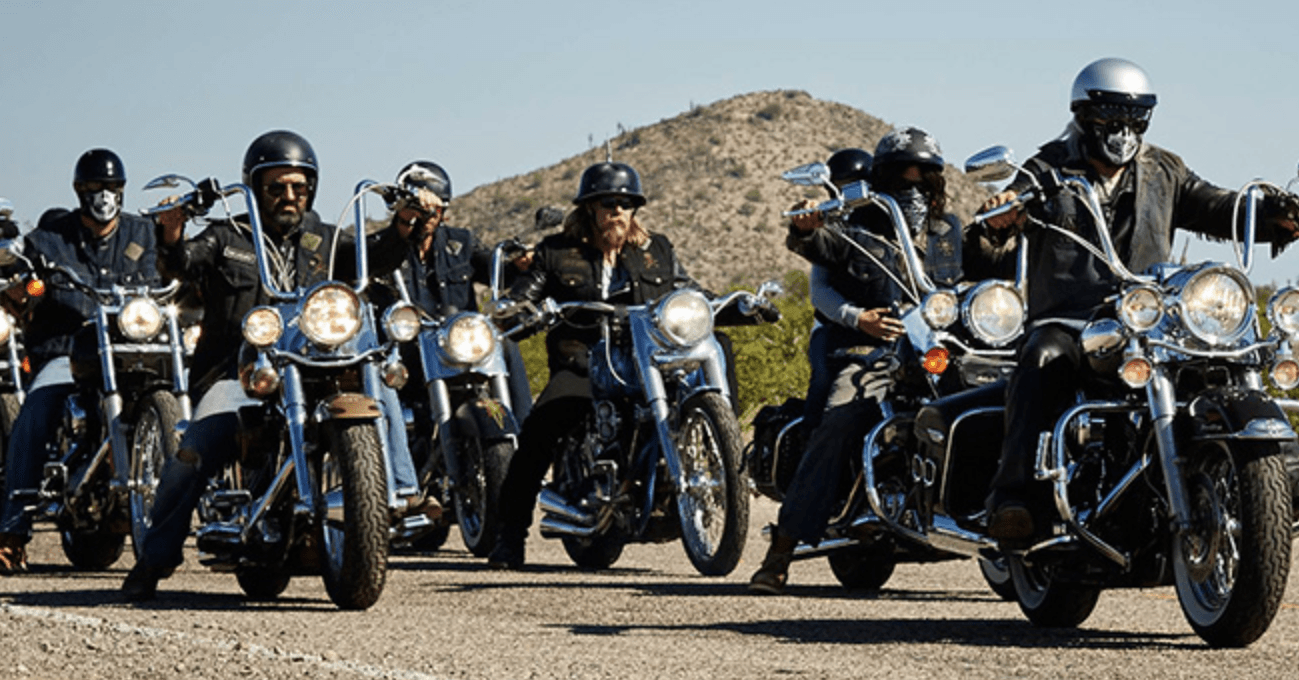
The world of the mc motorcycle gang has long fascinated the public imagination, depicted in countless films, books, and television shows. Beyond the Hollywood myths of lawlessness and cinematic dramatizations lies a deeply structured, secretive subculture governed by strict codes of conduct, ancient traditions, and a fierce sense of brotherhood. Understanding what truly defines an outlaw motorcycle club requires looking past the sensationalized headlines to examine the real history, social structures, and unwritten rules that keep these organizations running.
The Origin and Evolution of Outlaw Motorcycle Clubs
The phenomenon of the modern mc motorcycle gang traces its roots back to the post-World War II era in America. Thousands of returning veterans, accustomed to the high-adrenaline environment of combat and seeking the camaraderie they left behind, turned to motorcycles. Groups like the legendary clubs formed organically, seeking freedom on the open highway. Over the decades, these riding groups evolved from loose social gatherings into highly organized entities. The term 'outlaw' itself originally referred not necessarily to criminal activity, but to clubs that chose to operate outside the sanction of the American Motorcyclist Association (AMA), establishing their own independent hierarchies and lifestyles.

Decoding the Colors, Patches, and Insignia
One of the most defining visual elements of any recognized mc motorcycle gang is the 'cut'—typically a leather or denim vest adorned with patches, known collectively as 'colors.' These patches are far more than mere decoration; they serve as a complex visual language indicating rank, territory, achievements, and allegiance to a specific chapter. The three-piece patch layout—consisting of the club's name at the top, the center emblem, and the territorial bottom rocker—is treated with profound reverence. Disrespecting or attempting to steal a member's colors is historically viewed as the ultimate offense within biker culture, often triggering severe repercussions.

Strict Rules, Hierarchy, and the Road to Full Membership
Joining an established mc motorcycle gang is a rigorous, multi-year process that demands absolute dedication and loyalty. Prospective members typically start as 'hang-arounds,' progressing to 'prospects' only after earning the sponsorship of full-patch members. During this probationary period, prospects must perform various tasks for the club and prove their reliability under all circumstances. Once voted in as a full member, individuals must adhere to a strict internal constitution. Decisions are made democratically during club meetings, but once a vote is finalized, absolute unity and obedience to club leadership are mandatory.

Frequently Asked Questions
A riding club (RC) is typically a social group of motorcycle enthusiasts who ride together without strict territorial claims or rigid paramilitary hierarchies. An MC (Motorcycle Club), particularly outlaw clubs, operates under a strict internal government, wears three-piece patches, and enforces rigorous membership requirements.
The term '1%er' stems from a comment allegedly made by the American Motorcyclist Association after a 1947 riot, stating that 99% of motorcyclists are law-abiding citizens, leaving just 1% who are outlaws. Certain clubs proudly adopted this label to distinguish themselves from mainstream riders.
No. While law enforcement agencies monitor certain dominant motorcycle clubs for criminal enterprises, many MCs are law-abiding organizations focused on community charity work, brotherhood, and a shared passion for riding motorcycles.