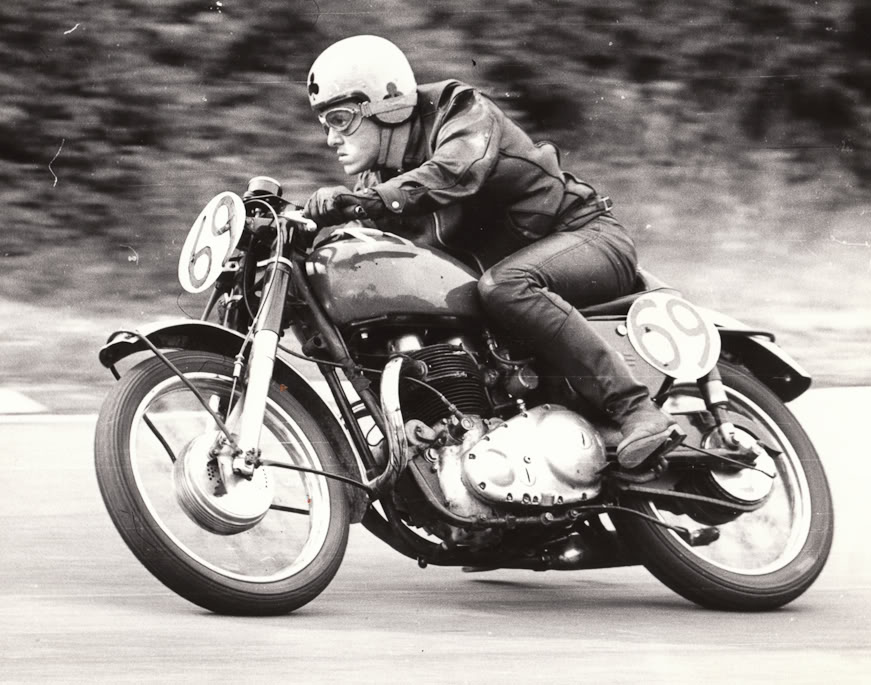
Scuffs on leather jackets and creases in Cordura textiles tell silent stories about the hidden guards stitched inside riding gear. Motorcycle armor operates out of sight, yet it dictates how a jacket fits across the shoulders or how a pair of riding jeans bends at the knee. Selecting the right protection requires looking past marketing labels and understanding how rigid shells and pliable foams handle kinetic force during a slide or an impact.
Material Science: Foam, Plastics, and Composites
Modern protective gear relies heavily on viscoelastic polyurethane foams that remain soft and flexible during normal movement but instantly stiffen upon receiving a sharp blow. These non-Newtonian materials absorb and disperse energy before it reaches the rider's joints. Hard plastic shells and carbon fiber composites are also common, typically deployed over high-impact zones like elbows, shoulders, and knees to prevent abrasion from catching on asphalt and causing violent tumbling.

CE Ratings and Certification Standards
Protective inserts sold in Europe and widely adopted globally carry standardized certifications, usually designated as Level 1 or Level 2. Level 1 armor allows a higher threshold of transmitted force through to the body, while Level 2 restricts that force significantly more under identical testing conditions. Understanding these thresholds helps riders evaluate the bulk and weight trade-offs of their gear, balancing daily commuting comfort against maximum impact mitigation.

Strategic Placement Across Riding Apparel
Armor functions effectively only when it stays anchored over the intended skeletal structures during a crash. Jackets and suits typically incorporate pockets for back protectors, chest panels, shoulder cups, and elbow guards. Lower-body garments integrate similar padding into the hips and knees. If a knee guard shifts to the side during normal seating positions, its protective utility drops drastically, making proper sizing and secure pocket placement essential.

Frequently Asked Questions
Level 2 armor transmits less impact force to the body than Level 1 during standard drop tests, offering a higher degree of protection at the cost of being slightly thicker and heavier.
Yes. Once impact-absorbing foam or rigid plastic has compressed or fractured during a fall, its structural integrity is compromised, and it will not provide the same level of protection in a subsequent incident.
Both serve different purposes. Hard armor excels at sliding and deflecting sharp objects, while viscoelastic soft armor absorbs blunt force efficiently and conforms more comfortably to the body.