Walking into a licensing office with a stack of paperwork is only half the battle when securing an endorsement to ride on public roads. The evaluation process splits into two distinct hurdles: a written knowledge exam covering traffic laws and mechanical specifics, followed by a controlled-environment skills test that measures your physical machine control. Understanding what examiners look for during each phase removes much of the anxiety associated with the evaluation.
Passing the Written Knowledge Exam
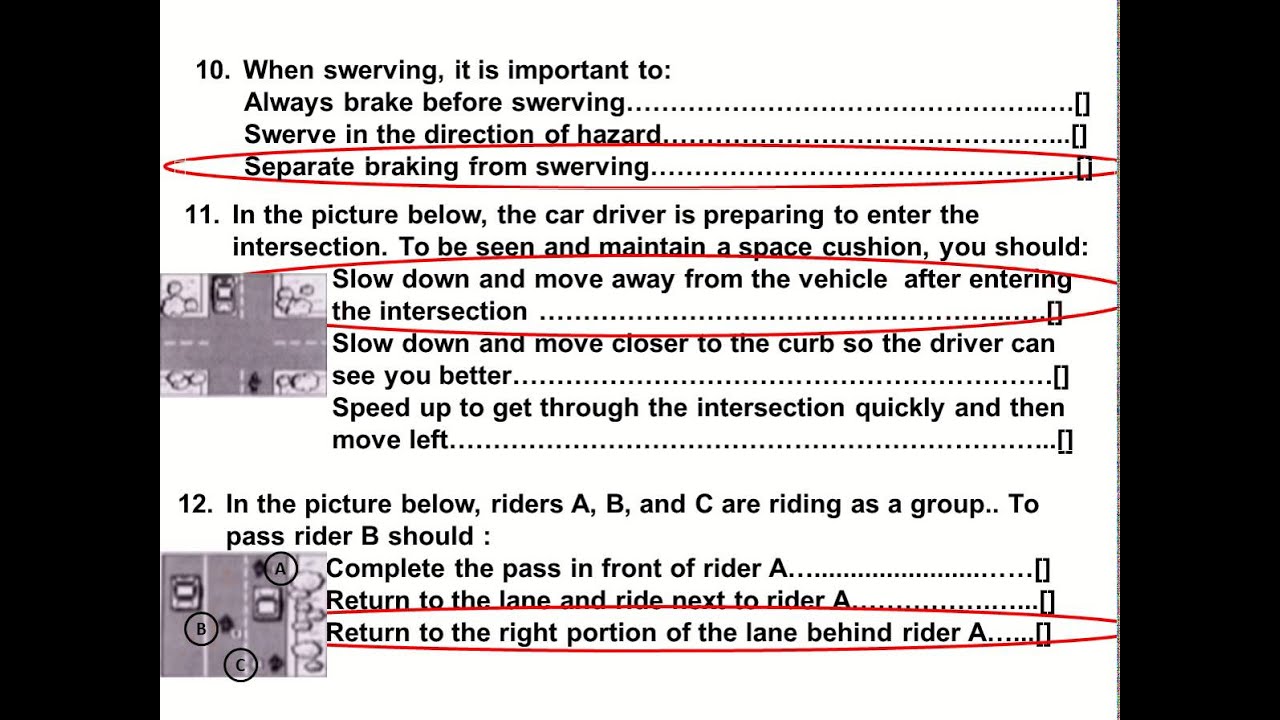
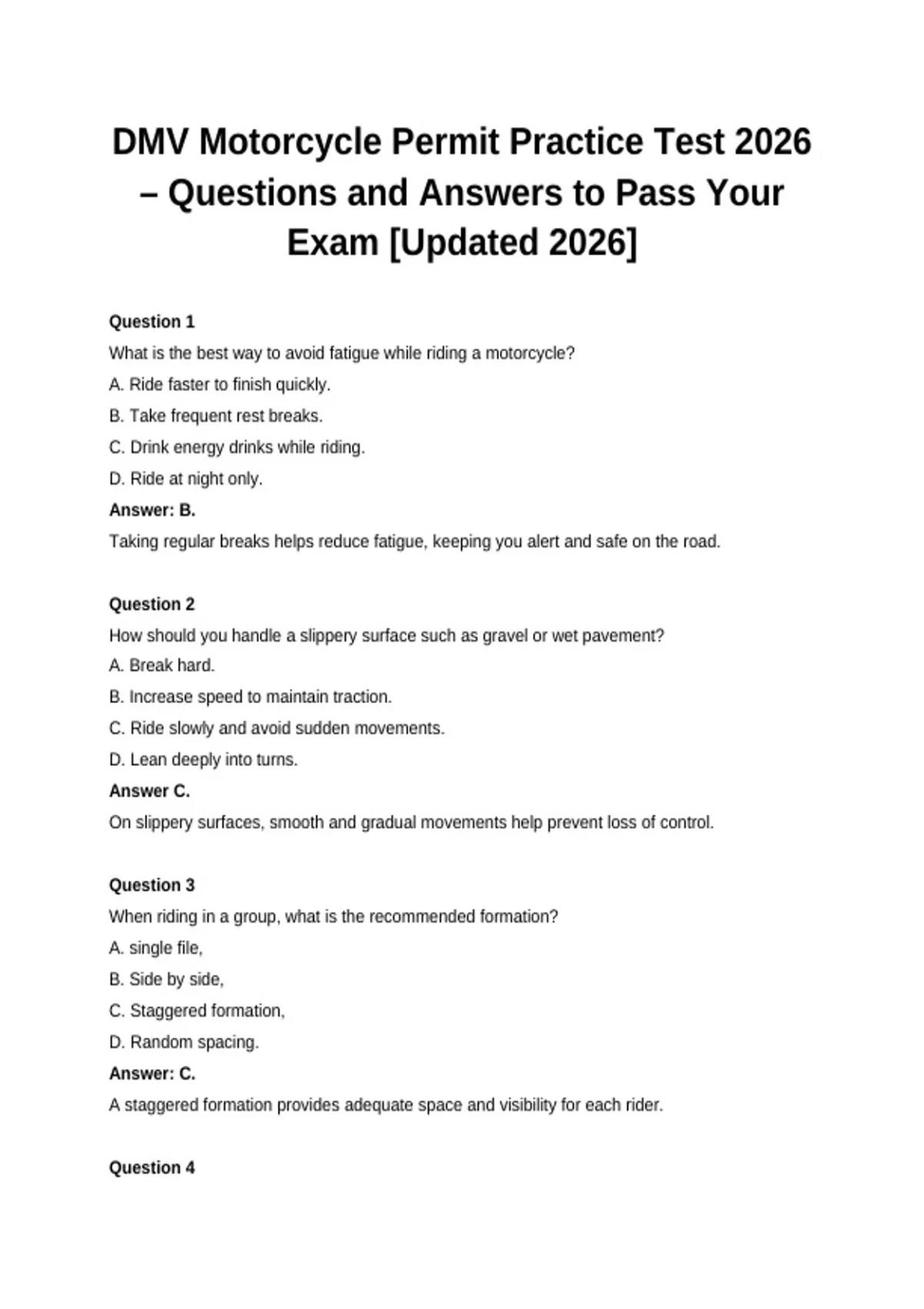
State departments of motor vehicles draw written test questions directly from their official operator manuals. Applicants typically face multiple-choice questions addressing braking distances, staggered formations in group riding, handling road hazards, and the legal blood alcohol limits for operators. Skimming the manual once rarely suffices. Questions often target specific nuances, such as how to countersteer at higher speeds or what to do when your rear tire blows out on a highway. Reviewing practice modules helps identify blind spots in your understanding before the official exam date.

Mastering the On-Bike Skills Evaluation
Once the written test is cleared, the practical portion takes place on a paved blacktop lot using cones and painted lines. Examiners assess your ability to manage clutch friction zones, low-speed balance, and sudden stopping distances. Common exercises include the serpentine weave, tight U-turns inside a boxed boundary, rapid deceleration, and swerving to avoid an unexpected obstacle. Riders frequently fail not from a lack of balance, but from target fixation—looking directly at the cones they want to avoid rather than the open path ahead.

Alternative Paths Through Rider Education
Many jurisdictions allow applicants to bypass the state-administered road skills test by completing an approved basic rider training course. These weekend programs, often run through partnerships with motorcycle safety foundations, provide classroom instruction paired with hands-on parking lot drills. Instructors observe your progress across two or three days and issue a completion card upon passing. Presenting this card at the licensing desk typically waives the practical riding test, though you may still need to pass the initial written knowledge test.

Frequently Asked Questions
Yes, unless you take a certified rider training course that provides training motorcycles. The vehicle must be registered, insured, and pass a basic safety inspection by the examiner.
Most states require a DOT-approved helmet, eye protection like a face shield or goggles, sturdy over-the-ankle boots, full-length heavy pants, and long-sleeved jackets or shirts.
You can use a scooter if its engine displacement meets the minimum legal threshold for a full motorcycle endorsement in your state, though doing so will limit your license restriction accordingly.