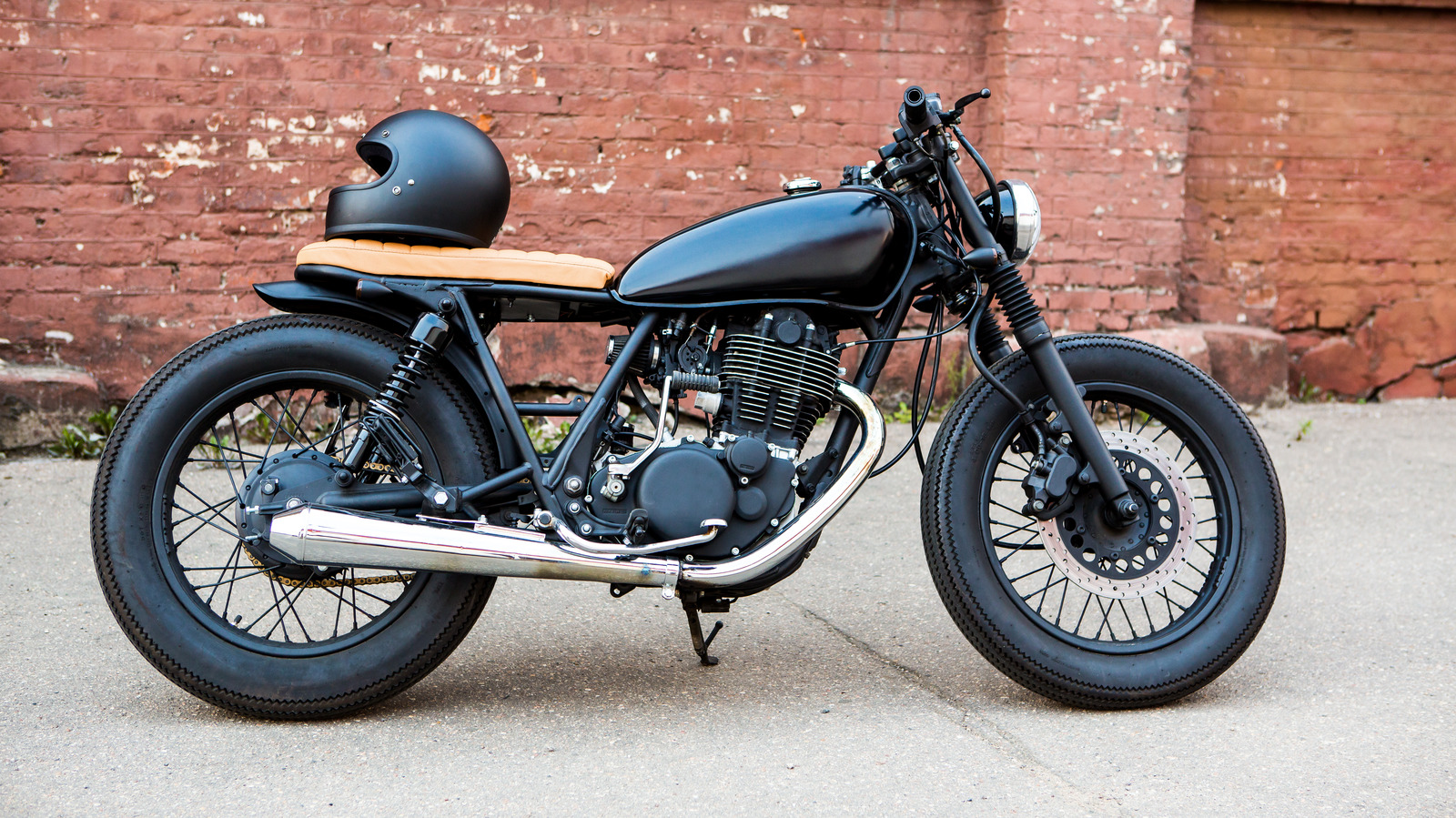
Engine oil does far more than simply lubricate internal metal parts. In a motorcycle application, the fluid must manage extreme heat, protect high-revving valve trains, and often lubricate the transmission and wet clutch simultaneously. Choosing the correct formulation dictates how smoothly a machine shifts and how long its internal components survive.
The Role of Viscosity and JASO Ratings
Unlike passenger car engines that run on specialized energy-conserving oils, most motorcycles require lubricants that can handle integrated gearboxes. Friction modifiers common in automotive oils cause clutch slippage in motorcycles with wet clutches. Look for JASO MA or MA2 certifications on the container, which indicate the oil provides the correct friction characteristics for clutch engagement. Viscosity ratings, such as 10W-40 or 20W-50, dictate how the fluid flows across different temperature ranges, ensuring protection during cold starts and high-heat operation.

Mineral, Synthetic, and Blend Formulations
Base stocks determine how long an oil maintains its protective properties under thermal stress. Conventional mineral oils rely on refined crude and break down faster, requiring more frequent changes. Synthetic oils use chemically engineered base stocks that resist oxidation and maintain stable viscosity at high temperatures. Semi-synthetic blends offer a middle ground, combining the affordability of mineral oil with the enhanced thermal stability of synthetics. High-performance sport bikes and air-cooled engines driven hard in summer traffic benefit most from full synthetic formulations.

Practical Maintenance and Change Intervals
Dirty oil accelerates wear on piston rings, cylinder walls, and transmission gears. Checking the oil level through a sight glass or dipstick should happen before every long ride, keeping the fluid between the minimum and maximum marks. When draining old oil, always replace the spin-on filter or clean the internal screen. Neglecting regular changes allows combustion byproducts and microscopic metal shavings to accumulate, turning the lubricant into a mild abrasive compound.

Frequently Asked Questions
Most automotive oils contain friction modifiers that can cause wet clutches to slip. Always use an oil certified with the JASO MA or MA2 standard designed specifically for motorcycles.
Change intervals vary widely by manufacturer and riding conditions, typically ranging from 3,000 to 5,000 miles, or at least once a year regardless of mileage.
Mixing them is generally safe in an emergency because they are miscible, but it dilutes the performance benefits of the synthetic oil. It is best to complete a full oil and filter change.