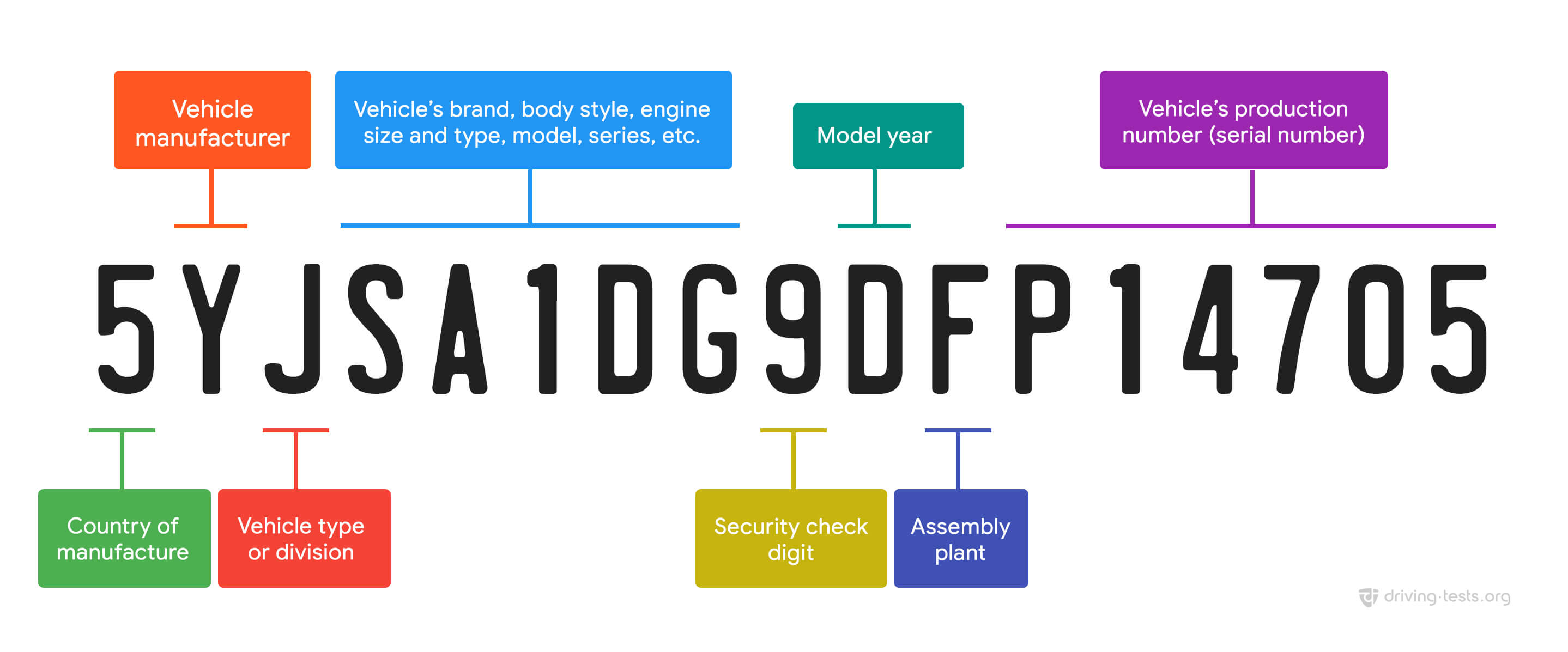
Every motorcycle manufactured since the early 1980s carries a unique 17-character fingerprint stamped into its frame. Mechanics, title clerks, and buyers use a motorcycle vin decoder to translate this alphanumeric string into actionable data. Instead of trusting a seller's word about a bike's production year or engine size, the code reveals the exact factory specifications and history behind the machine.
Locating and Reading the 17-Character String
Before running any digits through a motorcycle vin decoder, you need to find the physical stamping. Manufacturers typically place the VIN on the right side of the steering head, stamped directly into the frame gusset, or on a riveted metal plate near the front forks. You may also find it listed on insurance cards, title documents, and the engine crankcase. The standard format uses specific positions to denote the country of origin, manufacturer, vehicle attributes, engine type, check digit, model year, assembly plant, and sequential production number. Skipping a single character or confusing a zero with the letter 'O' will throw off the entire lookup.

What the Decoder Actually Tells You
A standard lookup breaks down the structural identity of the motorcycle. The first three characters represent the World Manufacturer Identifier, showing where the bike was built and by whom. The middle section details the chassis style, engine displacement, and safety equipment. The tenth character is particularly valuable because it designates the model year, though letters and numbers alternate across decades, requiring a proper reference chart. Specialized decoders cross-reference these fields against registration databases to flag salvage titles, lien records, or reported thefts.

Limitations of Free Versus Paid History Checks
Basic online decoders will quickly translate the factory specs, confirming if your frame matches the engine displacement stamped on the side covers. However, a standard factory code breakdown does not reveal maintenance neglect, dropped frames, or hidden insurance payouts from minor accidents. Comprehensive history reports require database queries through specialized providers that aggregate state DMV records and police databases. Relying solely on a basic specification decoder leaves blind spots regarding the physical condition and legal title status of a used motorcycle.

Frequently Asked Questions
The VIN is most commonly stamped directly into the steering head on the right side of the frame, or printed on a certification label affixed near the front forks.
No. VIN decoders provide factory specifications and historical event records such as title changes or theft reports, but they do not track real-time mechanical mileage unless recorded during an official inspection or insurance claim.
Motorcycles built before the standardized 17-character VIN system was implemented in 1981 often used shorter, manufacturer-specific serial numbers that require brand-specific vintage decode charts.