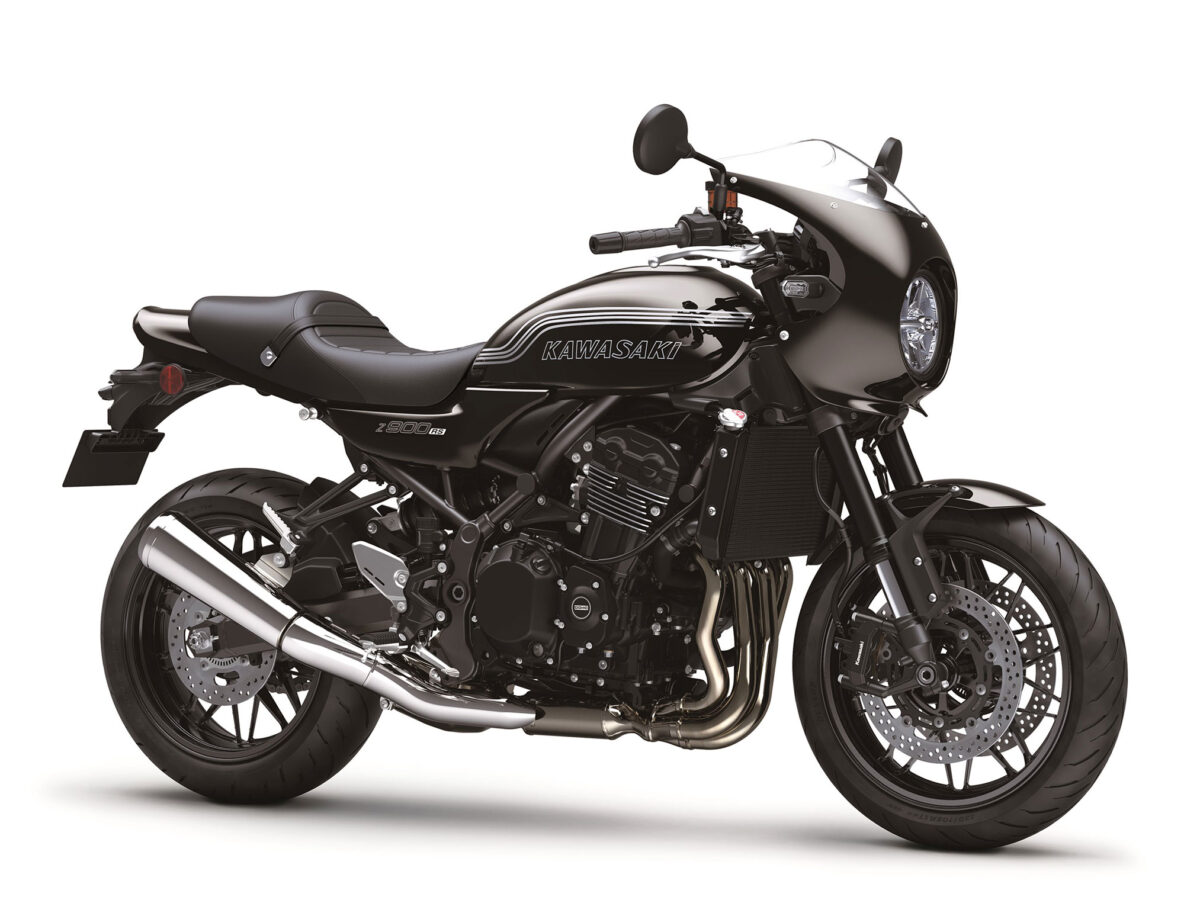
The contact patch between a machine and the pavement measures roughly the size of a credit card. Supporting that crucial connection are the motorcycle wheels, assemblies that shoulder the heavy burden of acceleration, braking forces, and lateral cornering loads while keeping unsprung weight as low as possible.
Spoke Wheels and Wire Lacing
Traditional wire-spoke setups remain standard equipment on adventure motorcycles and classic cruisers. The inherent flexibility of laced spokes allows the rim to absorb harsh impacts from rocks and potholes without cracking. Tightening and truing individual spokes requires patience and specific tools, making maintenance a tactile craft compared to swapping out rigid alloy alternatives.

Cast Alloy Rims for Street Performance
Most modern sportbikes and commuters roll on cast aluminum wheels. Molten metal poured into molds creates a rigid, seamless structure capable of holding tubeless tires reliably. Because these wheels flex very little under cornering loads, they deliver predictable steering feedback on smooth tarmac. However, a severe impact against a curb typically bends or shatters cast alloy rather than deflecting.

Forged and Carbon Fiber Upgrades
Reducing rotational mass changes how a bike handles at speed. Forged aluminum units offer greater structural integrity than cast rims, allowing manufacturers to machine thinner walls that shave off precious pounds of unsprung weight. At the extreme end of the spectrum, carbon fiber wheels provide staggering weight savings, though their high cost and distinct failure characteristics keep them primarily on track machines and high-end collector builds.

Frequently Asked Questions
Spoked wheels offer flexibility to absorb rough terrain impacts, making them ideal for off-road and dual-sport riding. Cast wheels are rigid, hold tubeless tires, and provide precise handling for street riding.
Lighter wheels reduce unsprung weight and rotational inertia. This makes the motorcycle easier to lean into corners, quicker to accelerate, and more responsive under braking.
Some spoked rims feature out-of-the-rim spoke channels that allow tubeless designs, but traditional center-laced spokes require inner tubes unless sealed with specialized airtight tape systems.