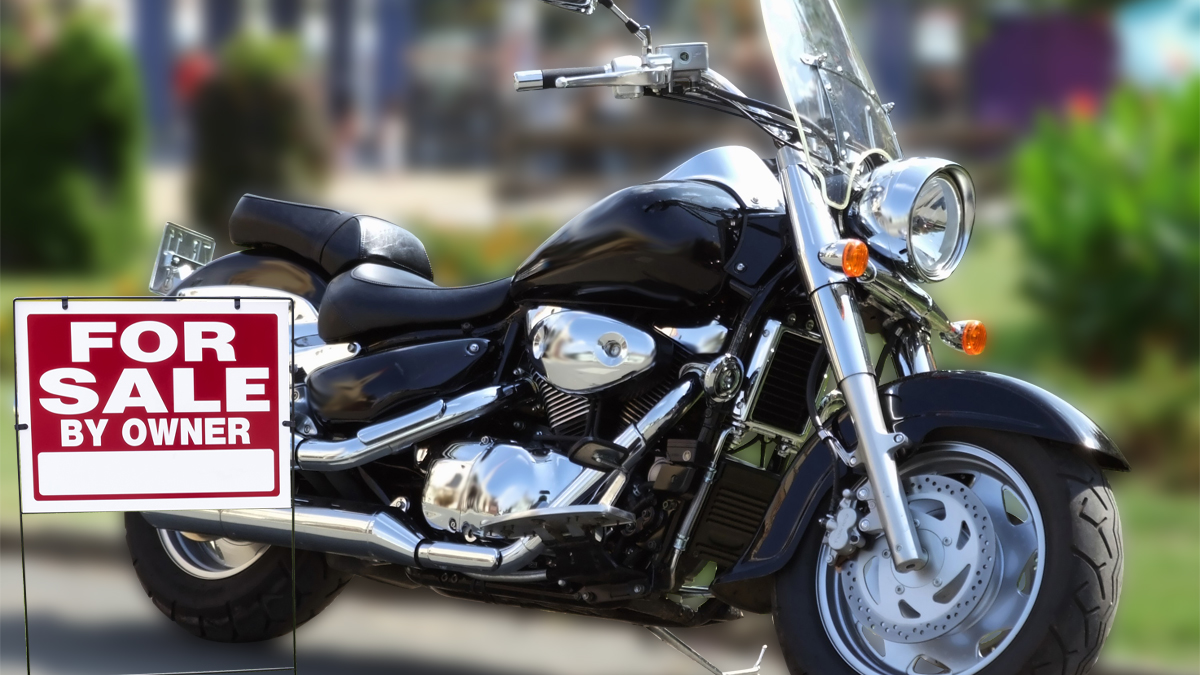
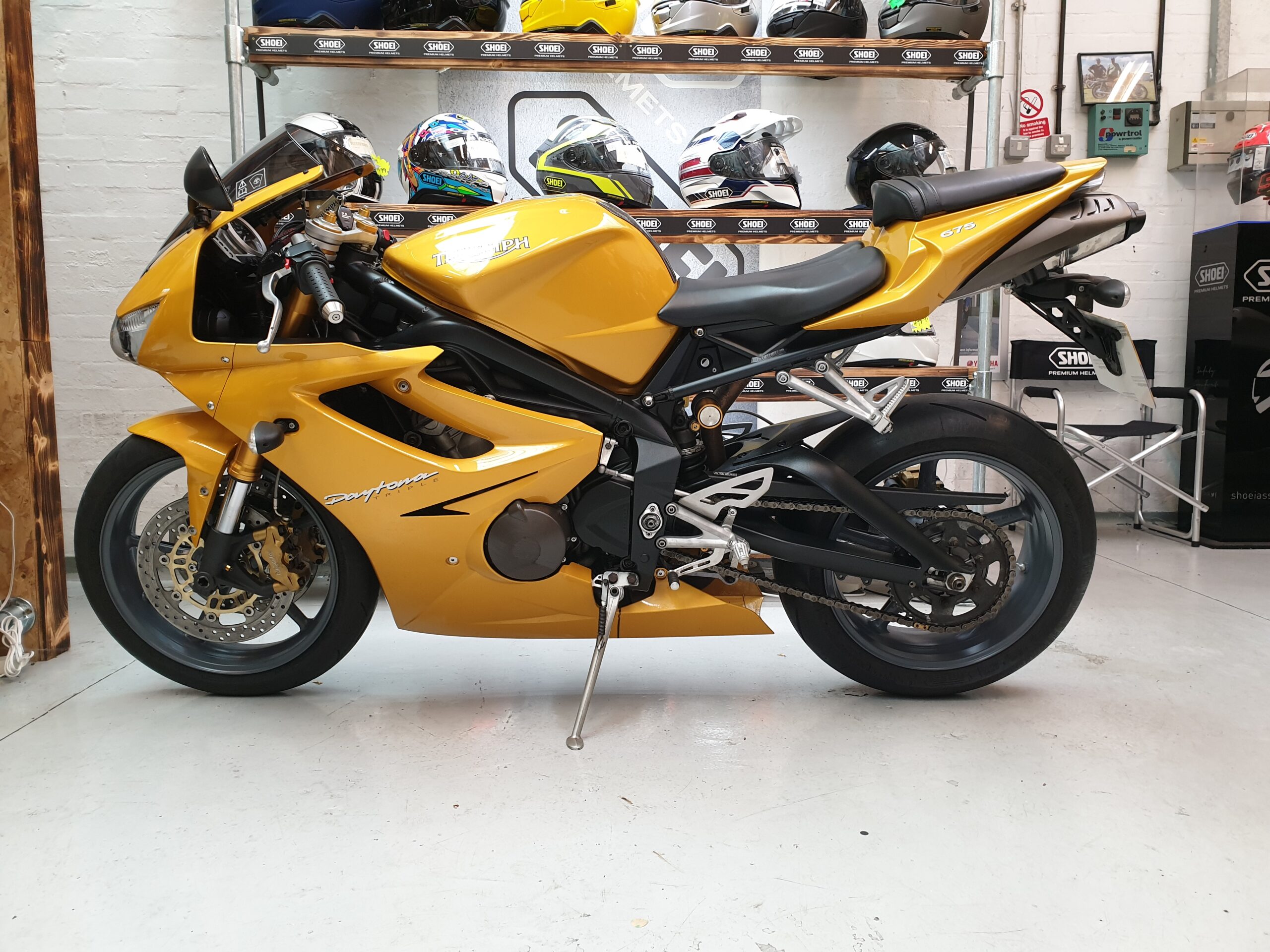
Purchasing a pre-owned motorcycle is one of the smartest ways to enter the riding community or upgrade your current garage without taking a massive financial hit from immediate depreciation. However, the world of used motorcycles can feel overwhelming. From private sellers to dealership showrooms, navigating the market requires a keen eye, mechanical awareness, and a clear understanding of what you need from a machine. Whether you are looking for a nimble commuter, a long-distance cruiser, or a track-day weapon, this comprehensive guide will walk you through everything you need to know to make a confident purchase.
Why Buying a Used Motorcycle Makes Sense
When motorcycles roll off the showroom floor, they often experience a sharp drop in value within the first couple of years. By shopping for used motorcycles, you let the original owner absorb that initial depreciation hit. This means your hard-earned money stretches much further, allowing you to buy a higher-end model, a larger displacement engine, or a bike equipped with premium aftermarket accessories—such as exhaust systems, luggage, and upgraded suspension—that would otherwise cost a fortune to install yourself. Additionally, used bikes are often more forgiving when it comes to minor cosmetic blemishes, taking the stress out of your first few parking lot drops or weekend adventures.

Key Aspects to Inspect Before Handing Over Cash
A shiny coat of paint can hide a multitude of mechanical sins, which is why a thorough pre-purchase inspection is non-negotiable. Start by checking the heart of the machine: the engine and transmission. Look for oil leaks around the gasket seals and listen to a cold start to catch any abnormal ticking or knocking sounds. Next, examine the wear items. Tires should have adequate tread depth and no signs of dry rot or cracking in the sidewalls. The chain and sprockets must be free of excessive slack and shark-tooth wear. Finally, check the suspension forks for pitting or oil residue, and ensure the brake pads and rotors have plenty of life left.

Navigating Private Sellers vs. Dealerships
Deciding where to buy your used motorcycle is just as important as choosing the bike itself. Private sellers on marketplaces often offer lower prices because they lack overhead costs, giving you more room to negotiate. However, buying privately means you are usually purchasing 'as-is' with no warranty or recourse if something goes wrong. On the other hand, established motorcycle dealerships often provide multi-point inspections, vehicle history reports, and occasionally a short-term limited warranty or financing options. While dealership prices might be slightly higher, the peace of mind and convenience can easily outweigh the cost difference for many riders.

Understanding Market Trends and Pricing
The market for pre-owned motorcycles is heavily influenced by seasonality and economic shifts. Spring and early summer typically see a surge in demand, pushing prices upward as riders eager to hit the road compete for inventory. Conversely, autumn and winter can be prime hunting seasons for savvy buyers, as sellers are often more motivated to clear garage space and drop their asking prices. Always research current market values using reputable valuation tools and compare listings in your region to ensure you are paying a fair price for the year, make, model, and mileage.
Frequently Asked Questions
High mileage varies significantly by engine type and displacement. Sportbikes with over 30,000 miles, cruisers with over 50,000 miles, and large adventure tourers with similar figures are generally considered high mileage. However, a well-maintained motorcycle with high mileage can easily outlast a neglected low-mileage bike.
Yes, absolutely. Unless you have advanced mechanical knowledge, paying a professional motorcycle mechanic to inspect a potential purchase can save you thousands of dollars in hidden repair costs down the road.
Always ensure you receive a clear title in the seller's name, a bill of sale, maintenance records if available, and any relevant keys, owner's manuals, or security fob codes.