
When it comes to the world of motorcycling, few brands evoke the same level of respect, excitement, and innovation as Yamaha. From dominating the racetrack to redefining everyday street riding, Yamaha motorcycles have consistently pushed the boundaries of engineering and design. Whether you are chasing adrenaline on a supersport machine or exploring rugged trails on a dirt bike, the brand's diverse portfolio offers something for every enthusiast. In this comprehensive guide, we delve into the evolution, engineering marvels, and standout models that define Yamaha's enduring legacy on two wheels.
A Rich Heritage: The Evolution of Yamaha Motorcycles Through the Years
Yamaha's journey into motorcycle manufacturing began in 1955 with the production of the YA-1, a lightweight, 125cc street bike that immediately proved its mettle by winning its maiden race at the Mount Fuji Ascent. This early success embedded a racing DNA deeply into the company's culture. Over the decades, Yamaha transitioned from a bold newcomer to a global titan, continuously refining its manufacturing processes and pioneering engine technologies. The brand's commitment to reliability combined with high-performance execution allowed it to weather changing market trends and consistently deliver motorcycles that resonate with riders across generations.

Conquering the Asphalt: Supersport and Naked Bike Dominance
If there is one arena where Yamaha truly shines, it is the performance segment. The introduction of the legendary YZF-R series revolutionized the supersport category, bringing track-bred technology directly to the showroom floor. Models like the iconic YZF-R1 and the agile mid-weight contenders have set benchmarks in handling, power delivery, and aerodynamic efficiency. Meanwhile, Yamaha's MT (Master of Torque) series redefined the naked bike landscape, offering aggressive styling, upright riding ergonomics, and punchy crossplane-concept engines that deliver thrilling low-to-mid-range torque for urban and canyon carving alike.

Innovation and Engineering: The Tech Behind the Ride
Yamaha motorcycles are more than just striking aesthetics and raw power; they are testaments to advanced engineering. The development of the Crossplane Crankshaft (CP) technology, for instance, fundamentally changed how power and traction are delivered to the rear wheel, offering linear torque response and a distinctive exhaust note. Furthermore, Yamaha has heavily invested in rider-aid electronics, integrating sophisticated traction control, quick-shifters, ride modes, and IMU-linked ABS systems. These innovations ensure that whether you are navigating slick city streets or pushing the limits on a track day, the machine responds intuitively to your inputs.

Adventure and Off-Road Excellence
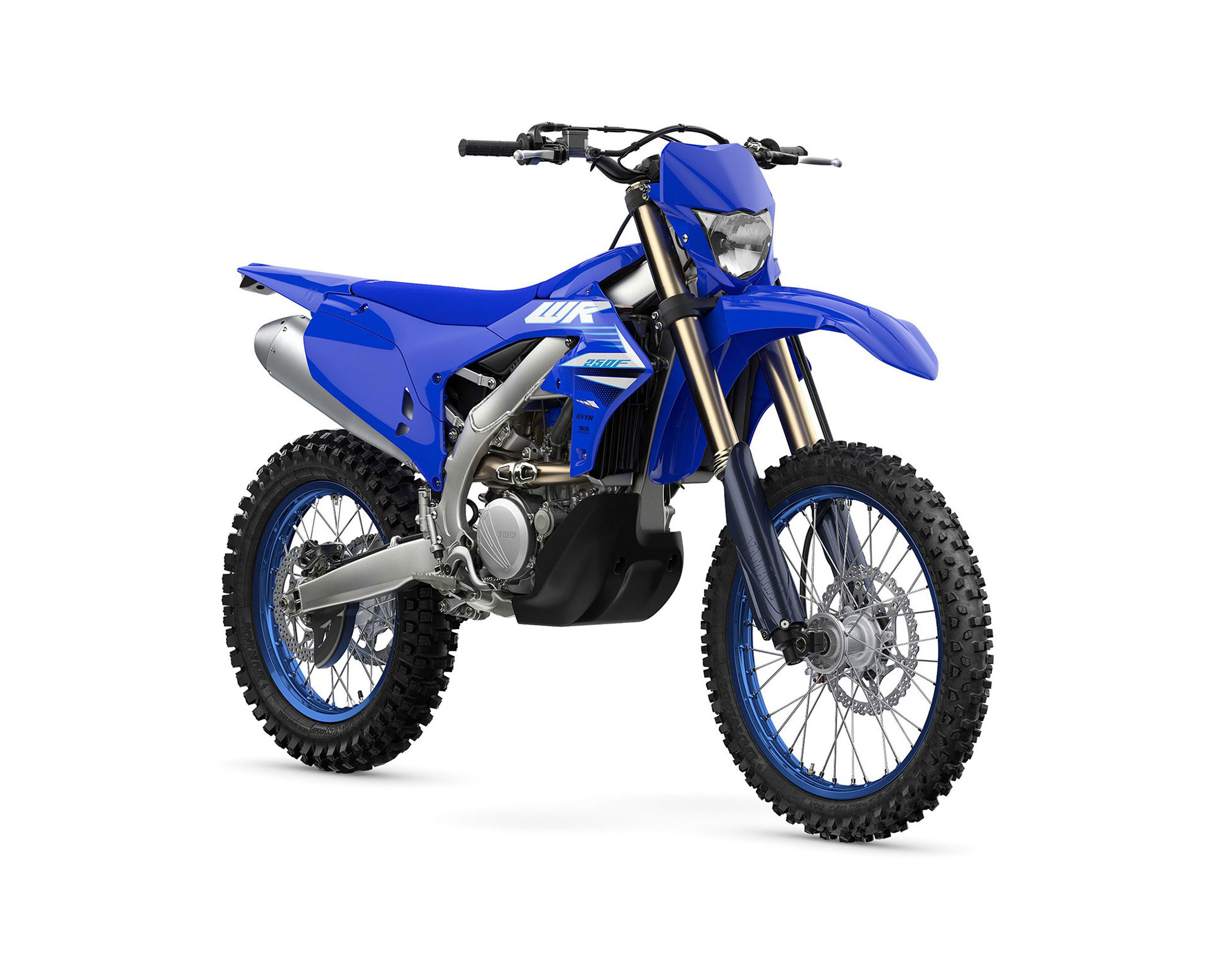
Beyond paved tracks and highways, Yamaha commands immense respect in the dirt and adventure touring sectors. The WR and YZ series have carved out a legendary reputation in motocross and enduro racing, known for their durable suspension setups and high-revving, dependable engines. On the adventure front, models like the Ténéré series have captured the imagination of long-distance explorers, bridging the gap between rugged off-road capability and comfortable highway cruising. This versatility highlights Yamaha's profound understanding of the diverse demands placed upon modern riders.
Frequently Asked Questions
The first Yamaha motorcycle was the YA-1, introduced in 1955. It featured a 125cc, two-stroke single-cylinder engine and quickly gained fame by winning major Japanese races.
Crossplane crankshaft technology is an engine design where the crank pins are set at 90-degree intervals, virtually eliminating inertial torque variations. This provides linear power delivery and superior rear-wheel traction.
Yes, Yamaha offers a wide range of motorcycles suitable for beginners, including the MT-03, YZF-R3, and various dual-sport models, which feature manageable power, lightweight handling, and forgiving ergonomics.
The MT series stands for 'Master of Torque,' reflecting Yamaha's focus on delivering high low-to-mid-range torque for responsive and exhilarating street riding.


