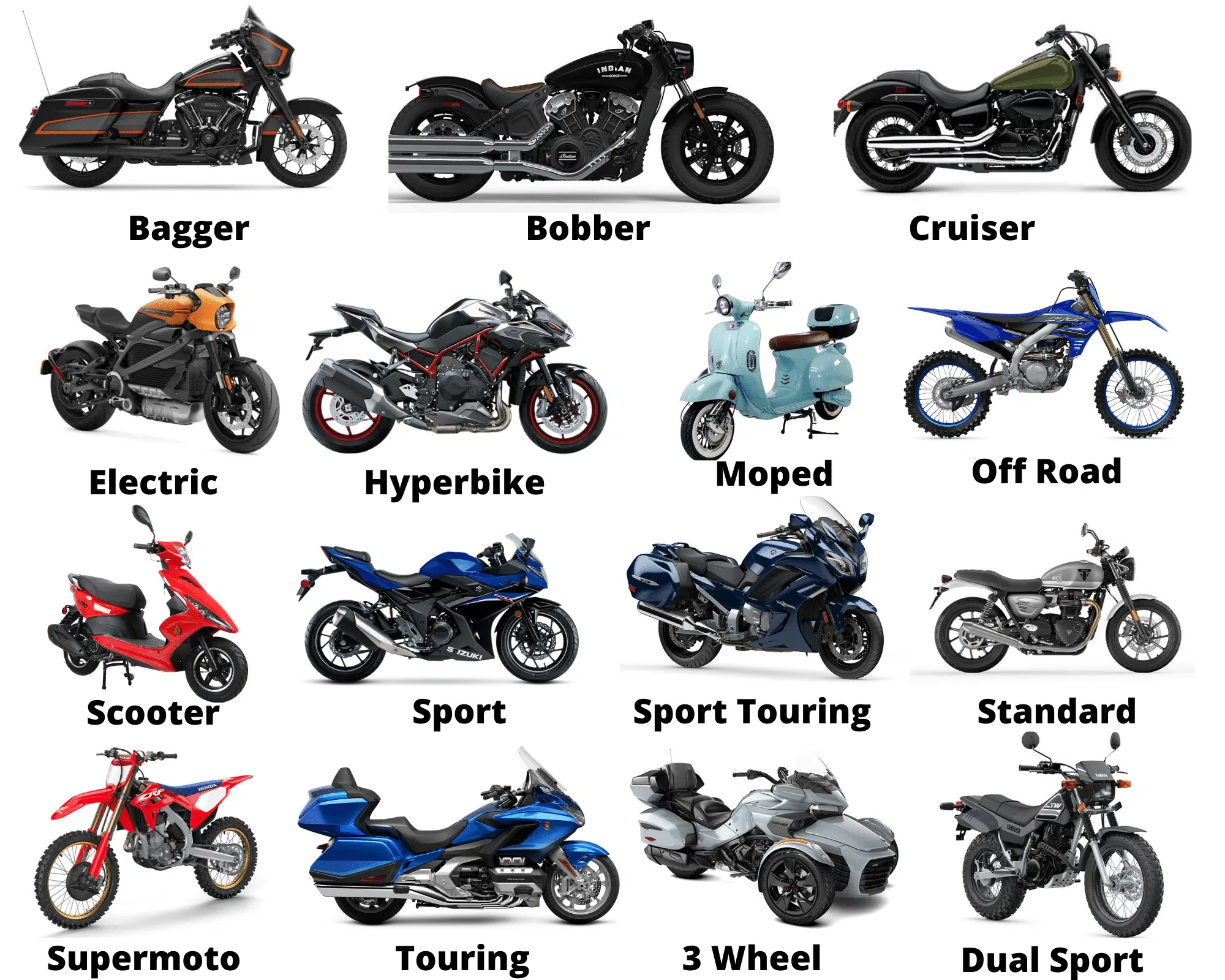
When a rider tucks in behind a sportbike windscreen at highway speeds, the rushing air separates cleanly over contoured fiberglass and plastic panels. These body components, known as motorcycle fairings, do far more than provide a smooth canvas for paint and sponsor decals. They fundamentally alter how a machine cuts through the atmosphere while shielding internal components from road debris.
The Aerodynamic Function of Body Panels
At speeds above city limits, wind resistance becomes the primary force a motorcycle engine must fight. Fairings are shaped in wind tunnels to manage pressure zones around the front wheel, handlebars, and engine block. By smoothing the airflow, these shells reduce drag coefficients, which helps maintain high-speed stability and improves fuel efficiency on long stretches of open road. Different styles, from half-fairings that only cover the instrument cluster and headlight to full race setups enclosing the entire lower half, dictate how the rider experiences windblast.

Materials and Construction Methods
Manufacturers rely on a few distinct materials to build these structural shells, balancing weight against crash durability. ABS plastic dominates the production market due to its flexibility and the ease with which it can be injection-molded into complex compound curves. For track use and high-end builds, fiberglass and carbon fiber offer significant weight savings and higher rigidity, though they require different repair techniques when cracked. Mounting points and bracket alignment matter just as much as the shell material itself, preventing vibration rattles at high engine revolutions.

Visual Impact and Customization
Beyond performance, these panels define the silhouette of modern motorcycles. A deep gloss red or a stark white finish highlights the sharp creases and air intakes designed by stylists. Riders often replace factory plastics with aftermarket kits to change the color scheme or repair scuffs from minor drops. The layout of vents and cutouts also exposes mechanical elements like frame spars or exhaust headers, blending functional cooling requirements with aggressive styling cues.

Frequently Asked Questions
They reduce aerodynamic drag at high speeds, protect the rider from wind and weather, and shield internal engine components from road debris.
ABS plastic is flexible, durable, and commonly used on factory street bikes. Fiberglass is lighter and stiffer, often chosen for track bikes and custom builds, but can shatter more easily upon impact.
Yes, by reducing aerodynamic drag, fairings allow the engine to work less when maintaining cruising speeds, which can result in better fuel efficiency on the highway.