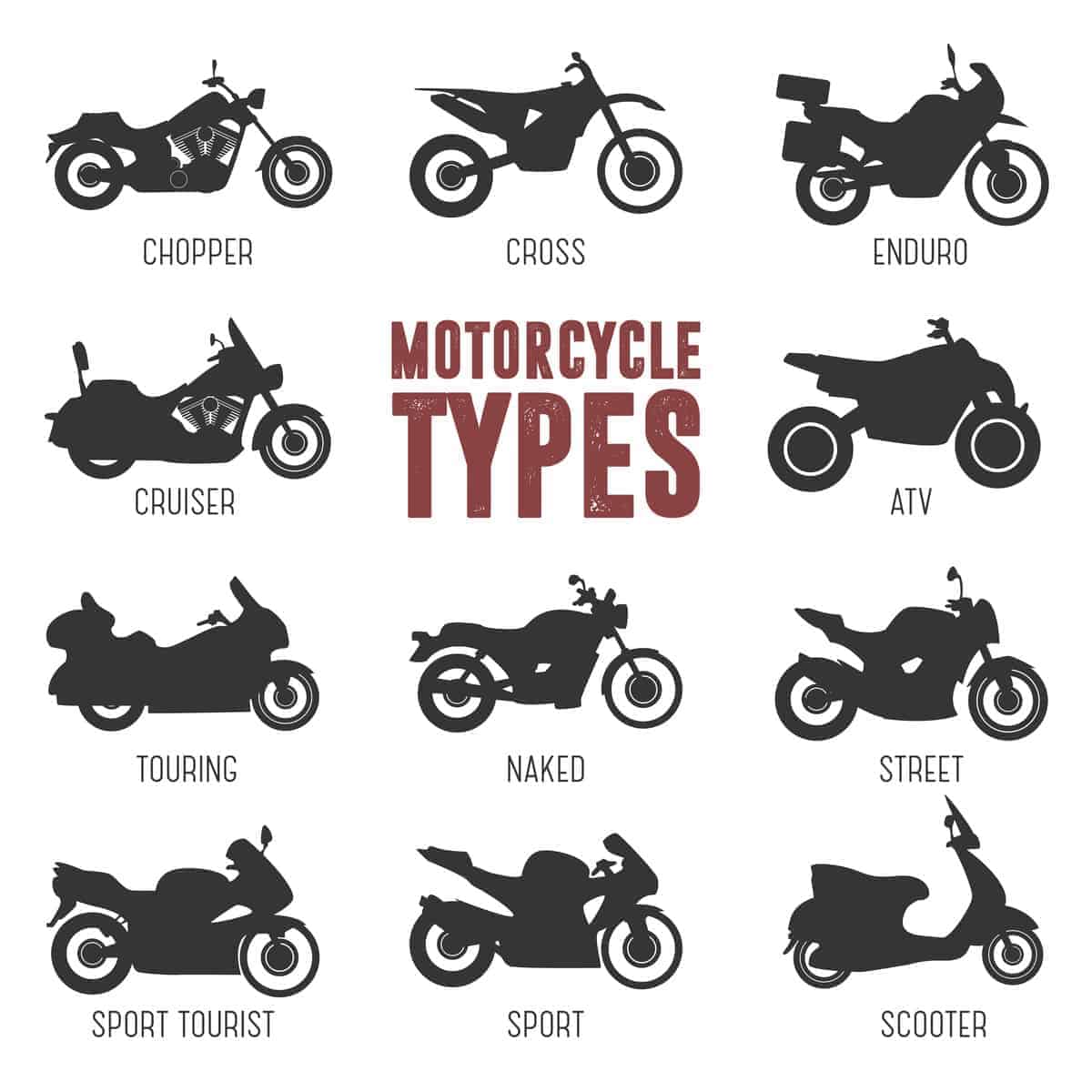
Walking past a row of parked bikes reveals a stark truth: two wheels and an engine can be configured in dozens of conflicting ways. A low-slung cruiser shares almost no DNA with a high-riding dirt bike, yet both fall under the same broad heading. Recognizing the structural differences among various motorcycle types helps clarify why certain machines exist, how their geometry affects handling, and what kind of environment they are built to navigate.
Standard and Naked Bikes
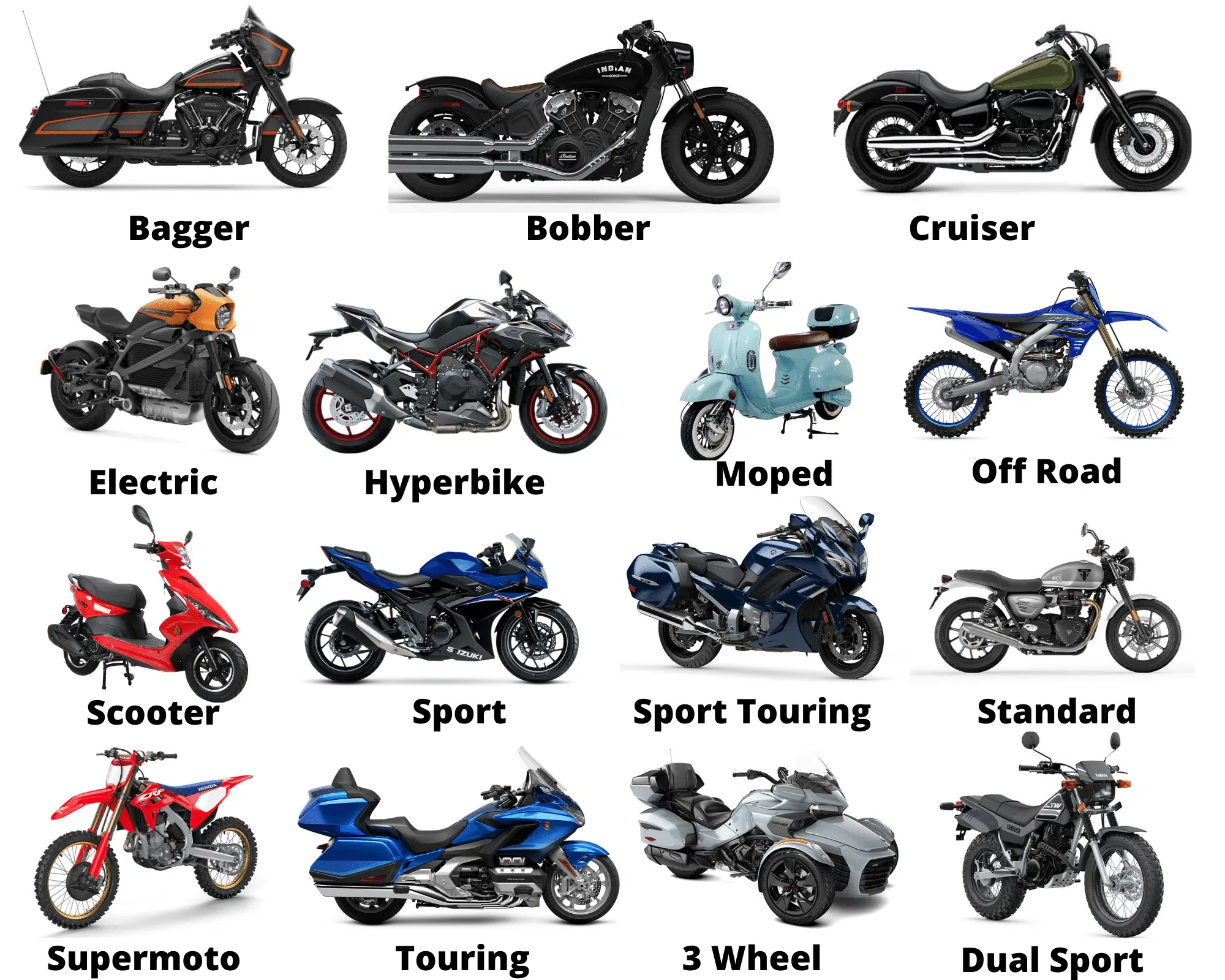
Standards represent the baseline architecture of motorcycling. They feature an upright riding position, neutral footpeg placement, and handlebars that require minimal reach. Without heavy bodywork or fairings, these machines expose the engine and frame rails. This straightforward layout makes standards adaptable for commuting, short highway trips, and city riding.
Cruisers and Choppers
Cruisers prioritize a relaxed, low-slung stance with forward controls and a heavily raked front end. The rider sits deep into a low seat, often with feet extended ahead. Long wheelbases and heavy flywheels define their mechanical character. While they excel on straight highways and coastal roads, their cornering clearance is limited by low exhaust pipes and footboards.

Sportbikes and Track Machines
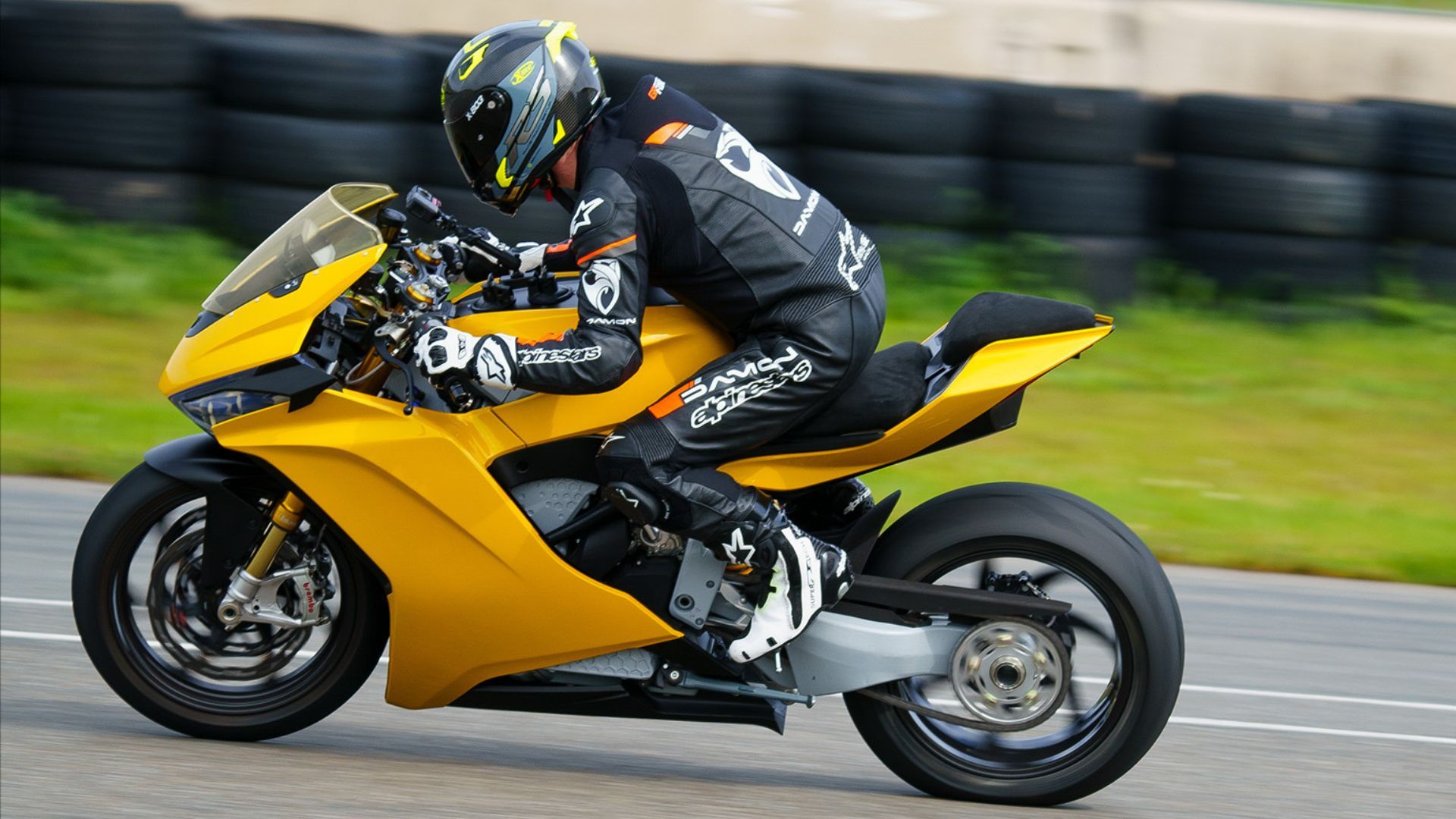
Sportbikes are engineered entirely around speed, agility, and braking performance. Full aerodynamic fairings reduce drag at high speeds, while rearset footpegs and clip-on handlebars force the rider into a steep, forward-leaning posture. This geometry shifts weight toward the front tire, sharpening steering response but placing significant strain on the rider's wrists and lower back during low-speed transit.

Adventure and Dual-Sport Motorcycles
Adventure bikes and dual-sports bridge the gap between paved roads and unpaved terrain. Dual-sports lean closer to dirt bikes, featuring narrow frames, long-travel suspension, and DOT-approved knobby tires. Adventure models add larger fuel tanks, multi-cylinder engines, and luggage mounting points, trading raw dirt agility for long-distance highway comfort and load-carrying capacity.

Frequently Asked Questions
Standard bikes feature an upright riding position, exposed frames, and versatile ergonomics. Sportbikes use aggressive, forward-leaning ergonomics, full aerodynamic fairings, and high-performance components tuned for speed and cornering.
Many cruisers have low seat heights that allow riders to place both feet flat on the ground, which builds confidence. However, their heavy weight and long wheelbases can make low-speed maneuvering challenging for absolute novices.
Yes, but capability varies by model. Smaller dual-sports handle rough dirt and trails easily, while large adventure bikes are designed primarily for gravel roads, fire trails, and broken pavement due to their substantial weight.