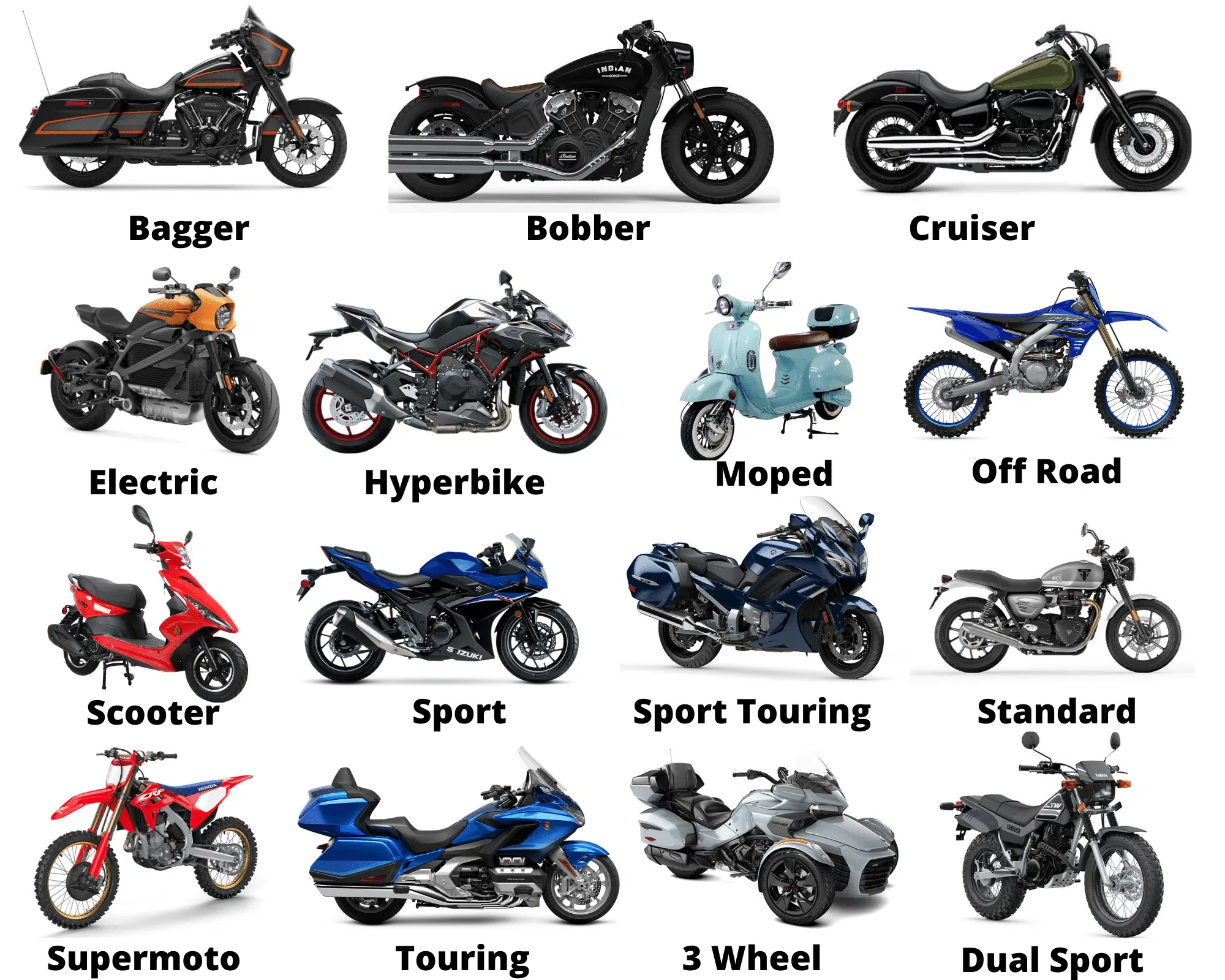
Stepping into the motorcycle market as an adult usually means balancing practical utility against recreational ambition. Unlike lightweight starter bikes meant strictly for basic training, options built for grown riders span a wide spectrum of configurations, from heavy-duty commuters and electric trikes to high-revving sport machines. Finding the right fit requires looking past marketing jargon to focus on physical ergonomics, power delivery, and intended daily use.
Navigating Three-Wheel and Heavy Electric Options
For riders prioritizing stability or carrying capacity, heavy-duty three-wheel platforms offer an alternative to traditional two-wheeled layouts. Models featuring robust electric motors—such as high-wattage 72V configurations—provide ample torque for urban hauling without requiring frequent clutch work. These setups often include reverse gears to manage their substantial physical footprint in tight parking spaces, making them practical for utility tasks or riders who prefer a planted stance at a standstill.

Standard Gas-Powered Sport and Commuter Bikes
Conventional gas-powered motorcycles, including compact 50cc displacement machines up to mid-range sport bikes, remain popular for city commuting and recreational weekend riding. Compliance with regional standards like Euro4 and EEC certifications ensures these models meet specific emissions and safety baselines for street use. When evaluating a smaller displacement sports bike, riders should look closely at seat height, handlebar reach, and suspension travel to ensure the riding triangle remains comfortable over longer stretches of pavement.

Frequently Asked Questions
Standard or naked bikes with moderate engine displacements, upright seating positions, and predictable power delivery are generally recommended for beginners.
Three-wheelers provide stability at low speeds and do not require balancing when stopped, though they handle cornering differently than standard two-wheeled motorcycles.